HAALDUR KARLSSON, Reykjavík, Iceland
"I follow my highest excitement. Only then am I true, and can do my best — whatever that means in a given moment. The unknown attracts me, as far as I dare without fear."
I am a multimedia artist and sonologist exploring the transformation of exact data into sensory experience — from MRI brain scans and geological data to real-time generative systems.
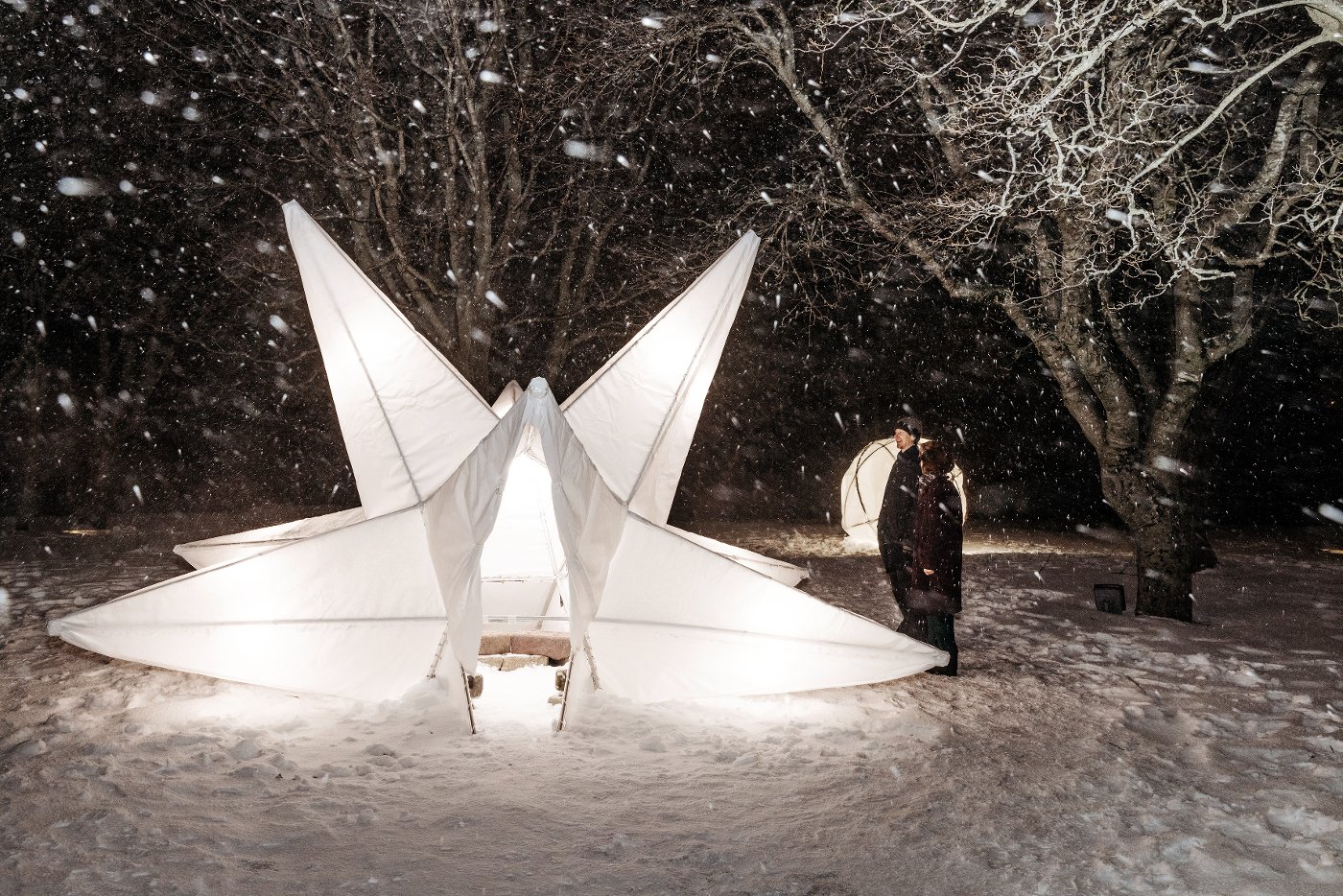
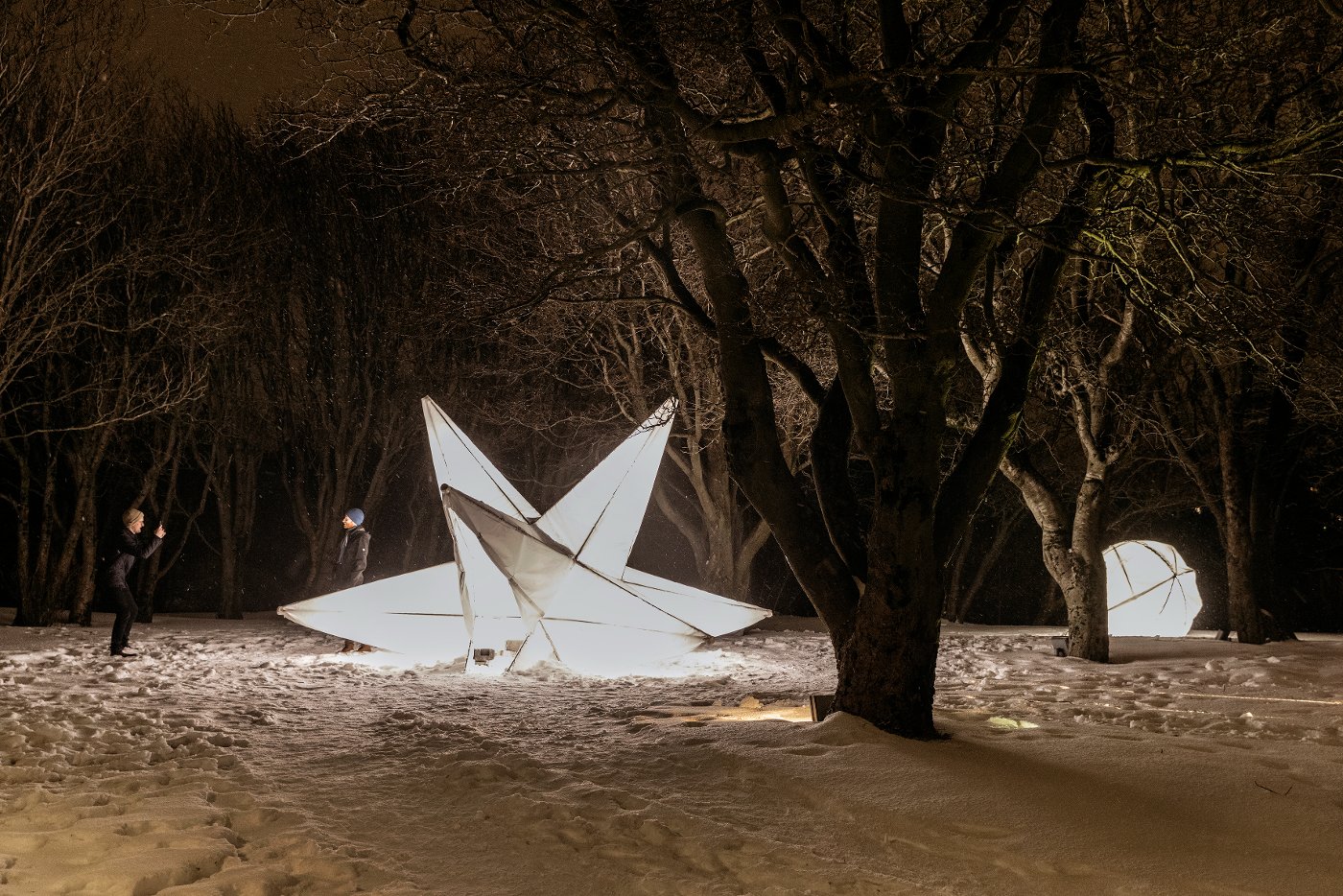
Light Sculpture · Vetrarhátíð & Elliðarstöð
Two landmark light sculptures — one answering Reykjavík's wish for light in the darkest winter days, the other a permanent installation transforming industrial architecture into a living canvas. M.A.P. with Litten Nystrøm.
+ Details
Open Studio Exhibition · Corsicana, Texas
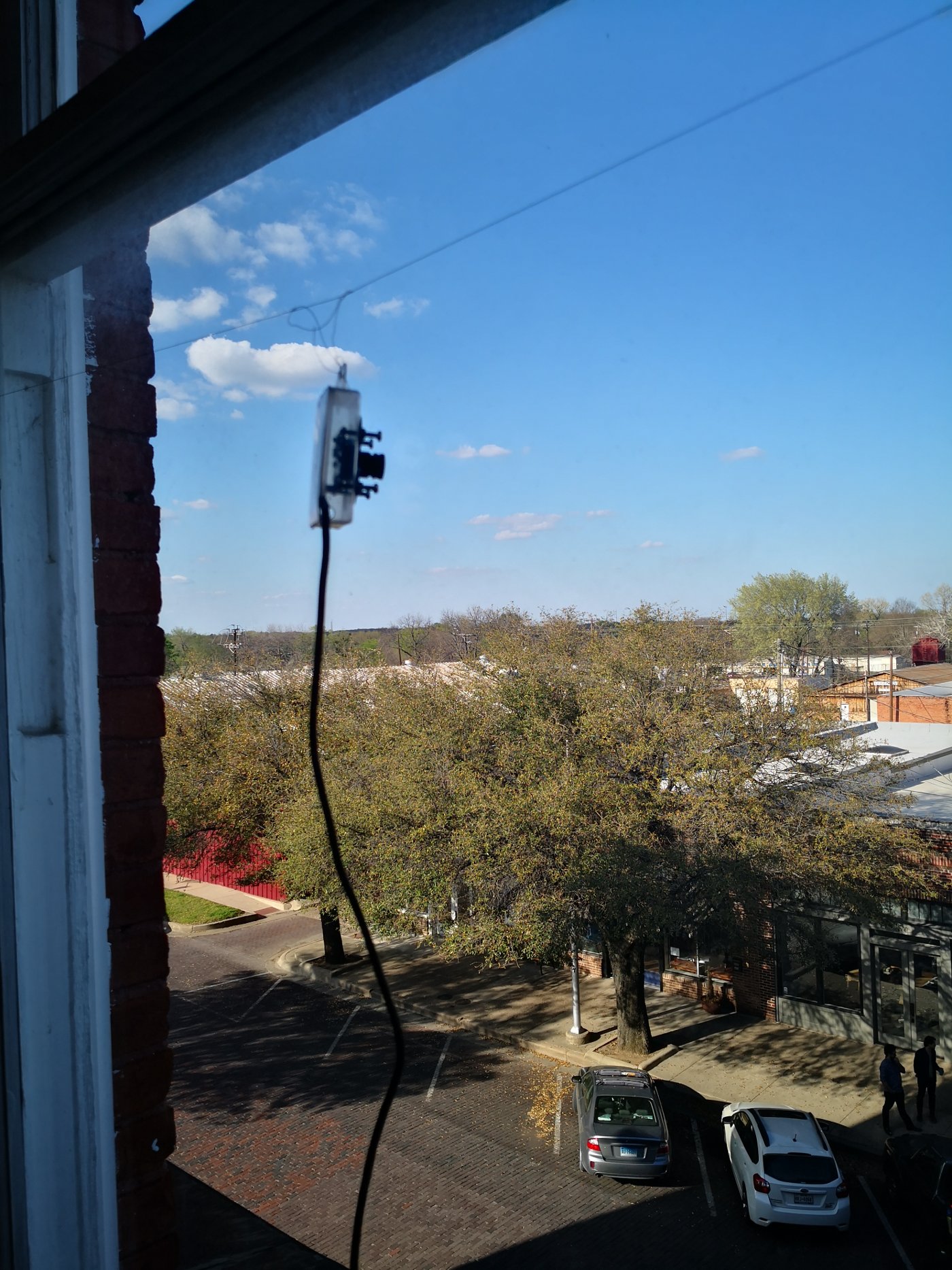
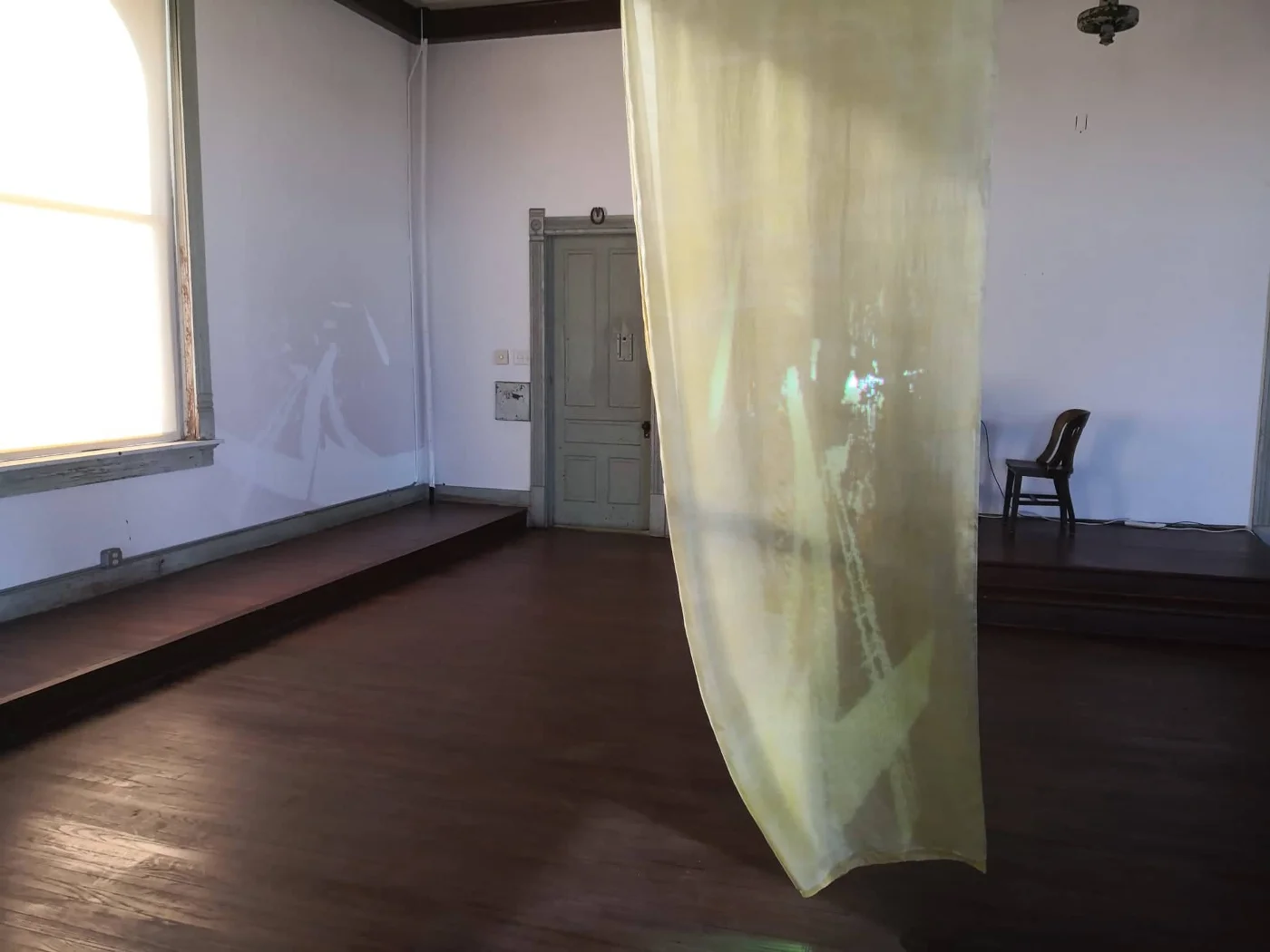
An extremely light-sensitive camera at the intersection of 3rd Avenue and Beaton Street, processed with Max/MSP until objects became so abstracted their forms were unrecognizable — what remains is a record of kinetic energy, an extended transference of light. With Litten Nystrøm.
+ Details
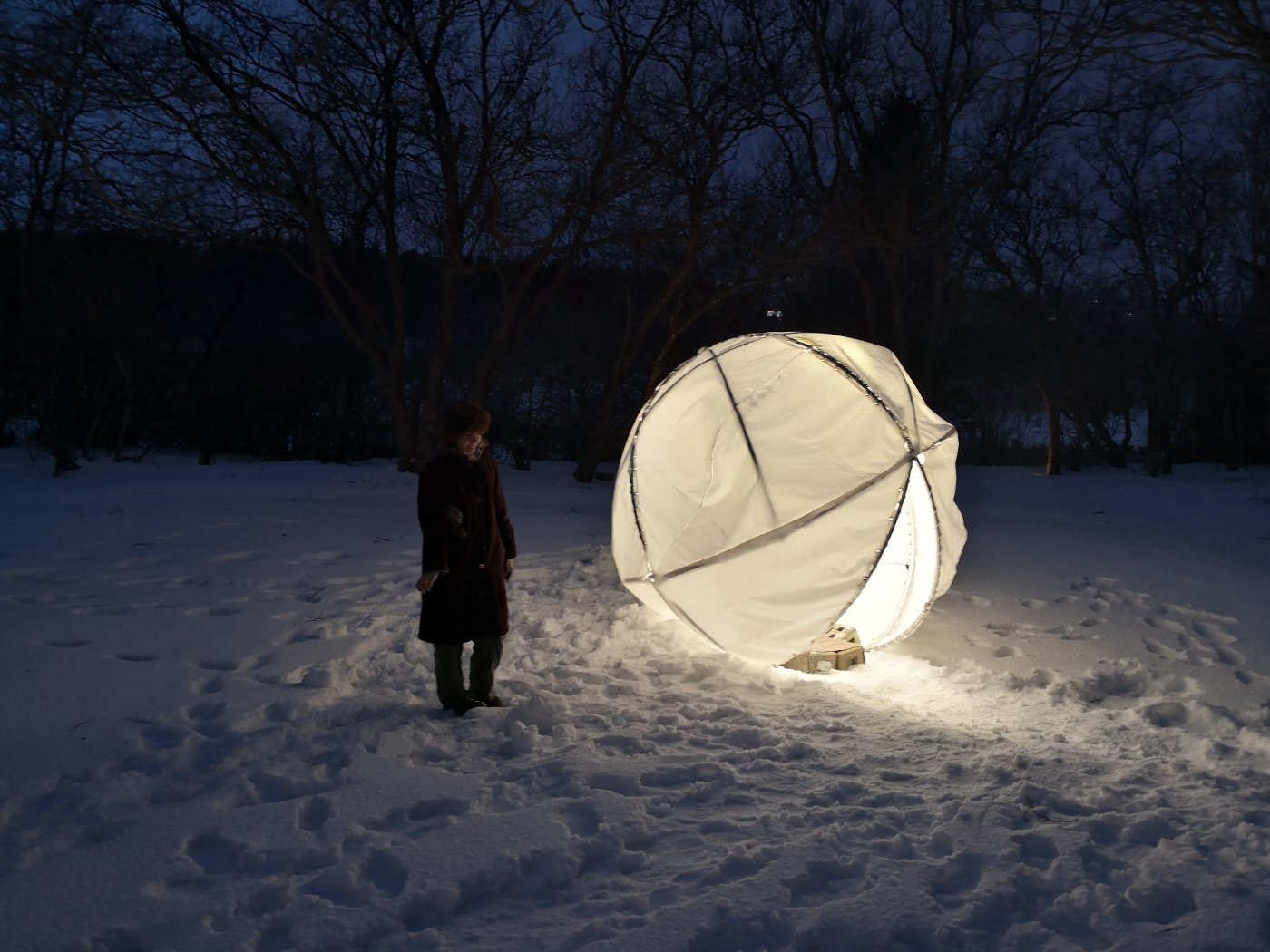
Originally commissioned for the Vetrarhátíð (Winter Lights Festival), this light sculpture underwent a major evolution. In its 2024 Re-Enlightment phase, the installation was permanently acquired by Veitur and installed at the Elliðarstöð power station.
The work physically manifests the concept of energy flow, using programmable light sequences to transform industrial architecture into a breathing, pulsing entity.
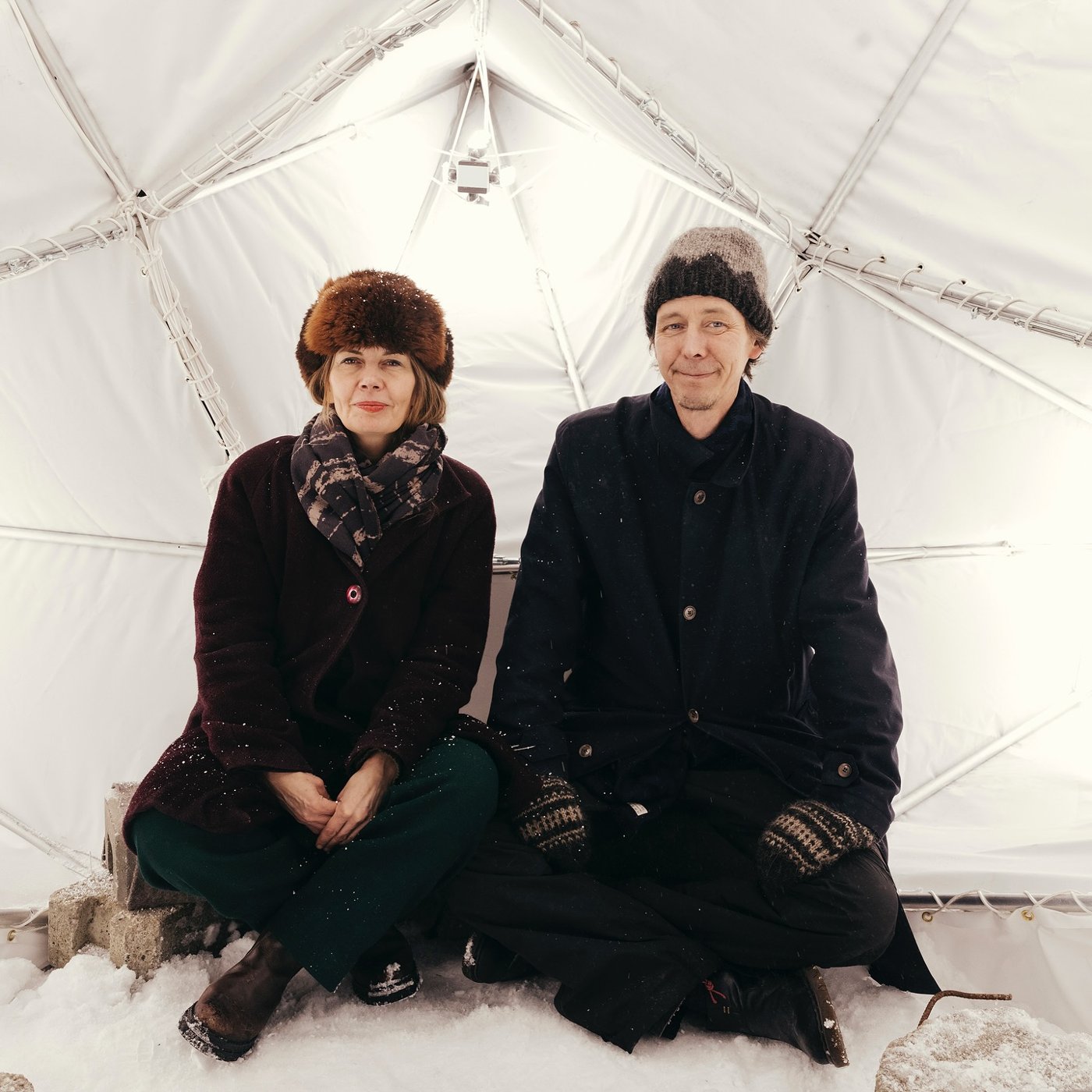
M.A.P. — a collaboration with Litten Nystrøm.
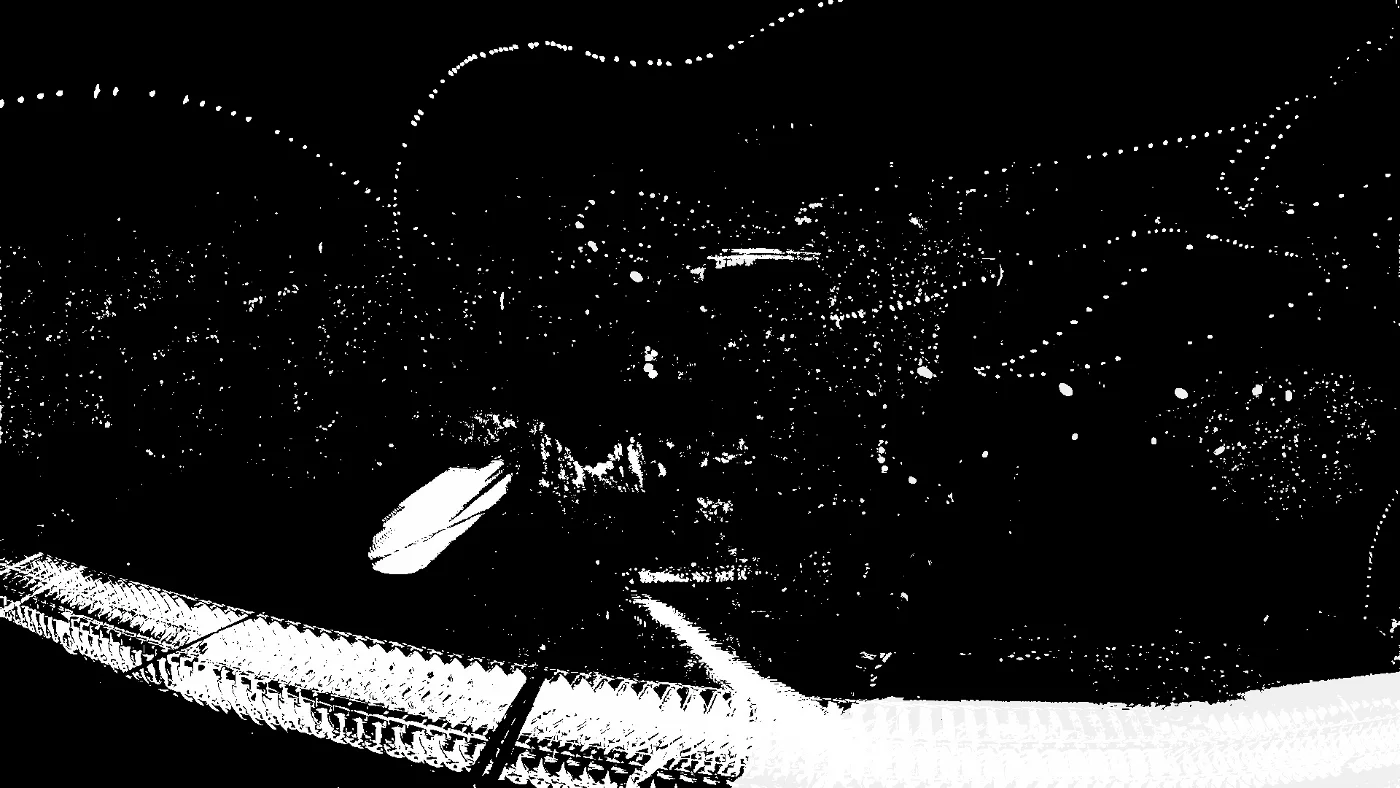
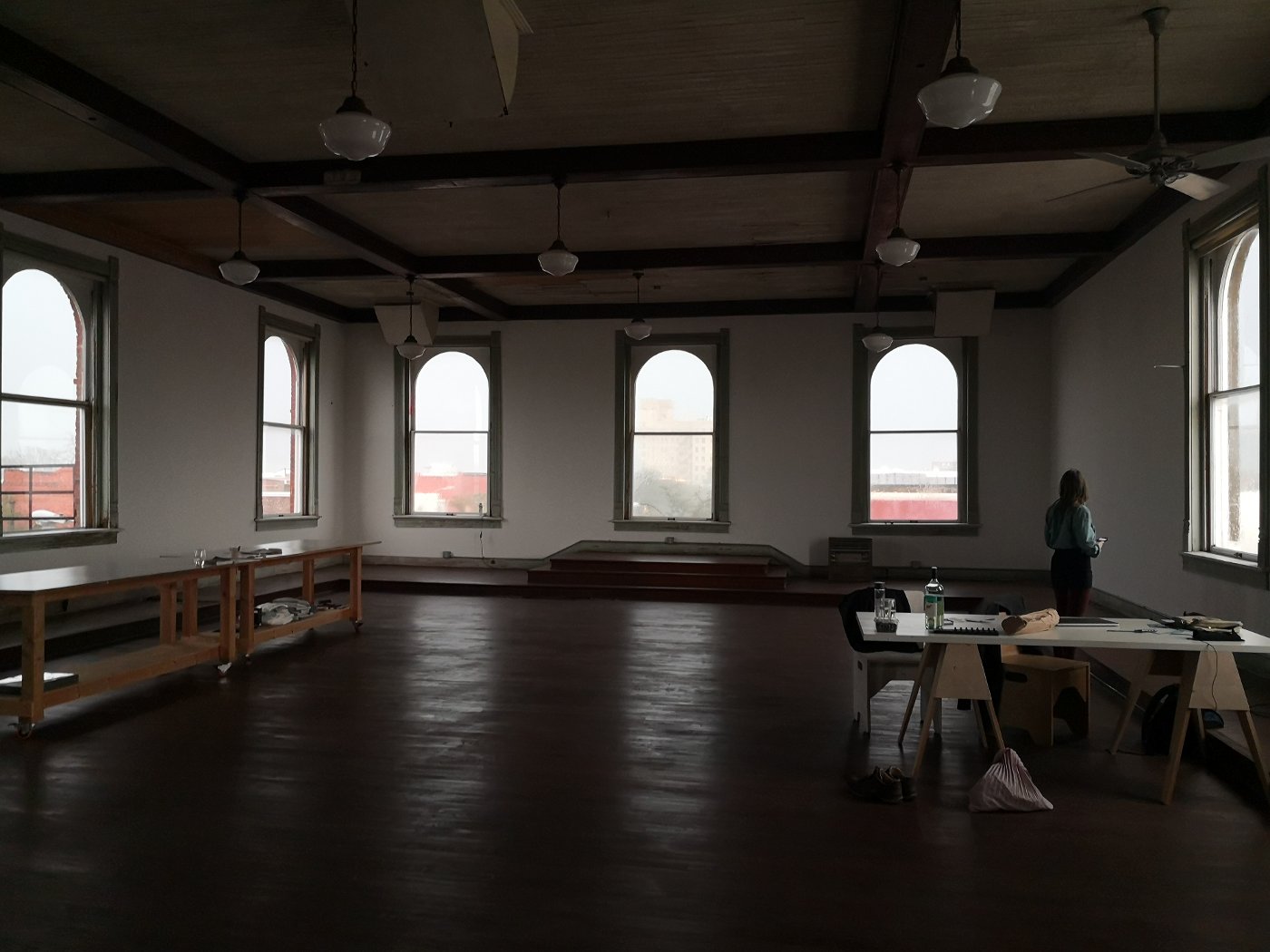
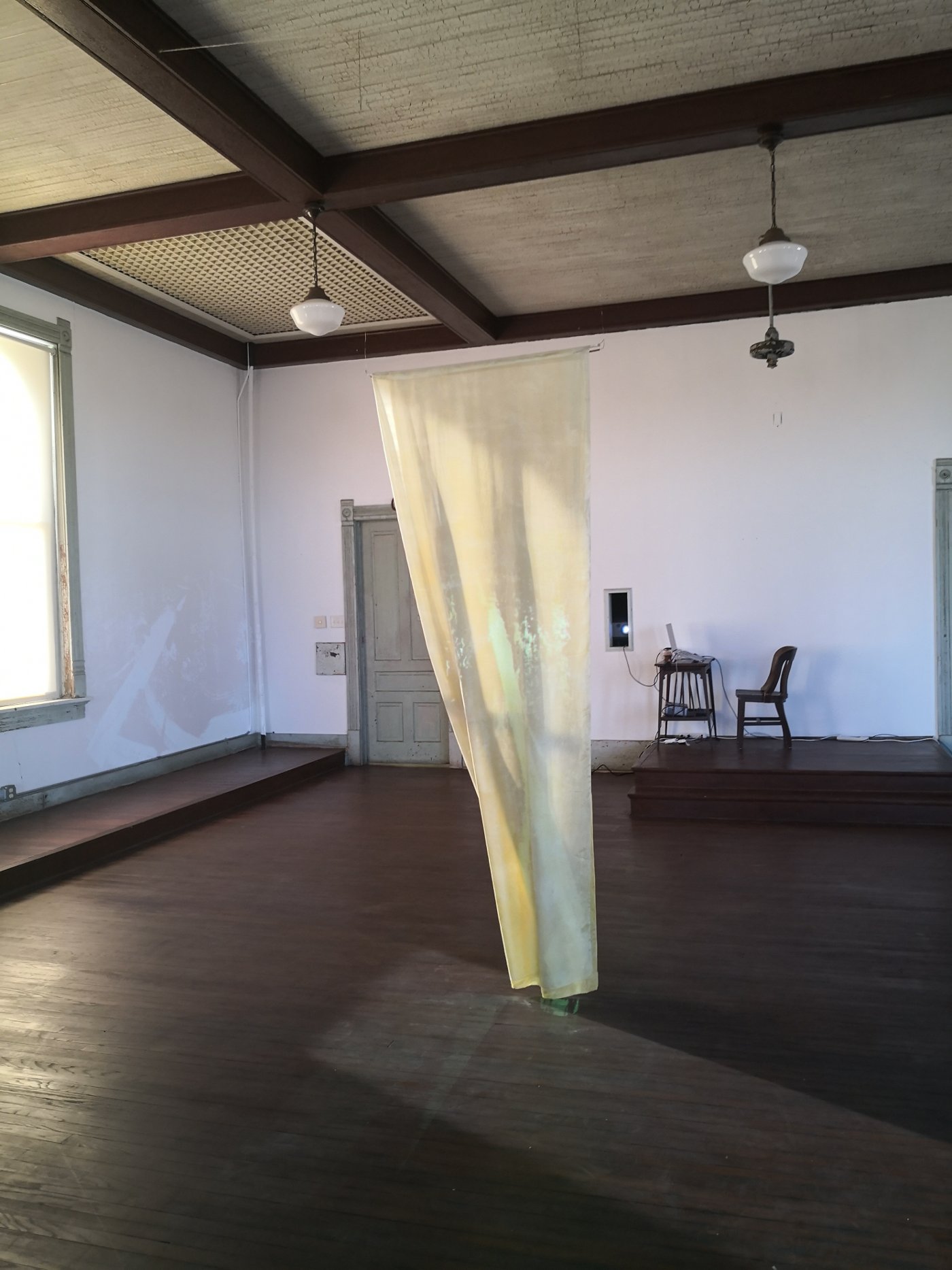
Created during a residency in Corsicana, Texas, Immaterial is a collaborative exploration with Litten Nystrøm under the M.A.P. Studio umbrella. The work investigates the delicate boundary between physical presence and digital memory.
By utilizing multi-layered projections, the physical environment of the Texas landscape is abstracted into ethereal, shifting textures, challenging the viewer's perception of what is solid and what is merely light.
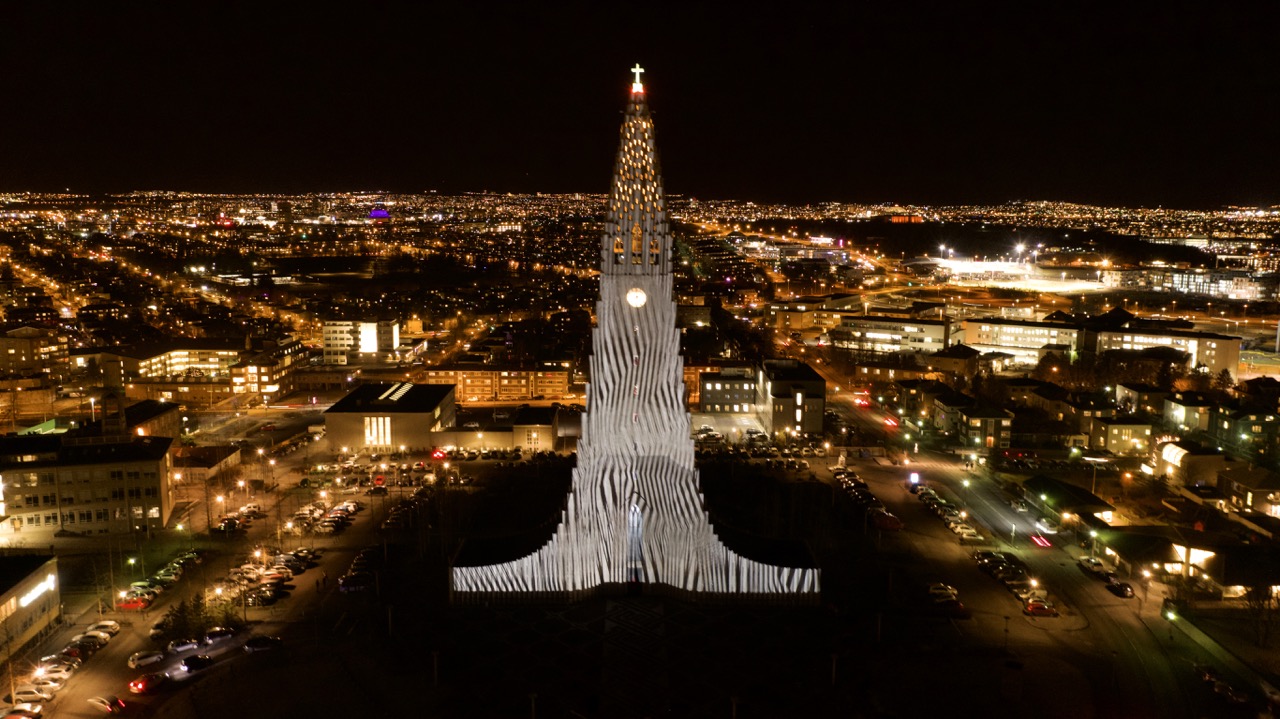
Interactive Projection Mapping · Hallgrímskirkja
Projected on Hallgrímskirkja for Vetrarhátíð. The work senses movement from the audience and the environment, animating the church's basalt-column-inspired architecture. Hidden patterns emerge — playing with permanence and transience, reality and perception. M.A.P. with Litten Nystrøm.
+ Details
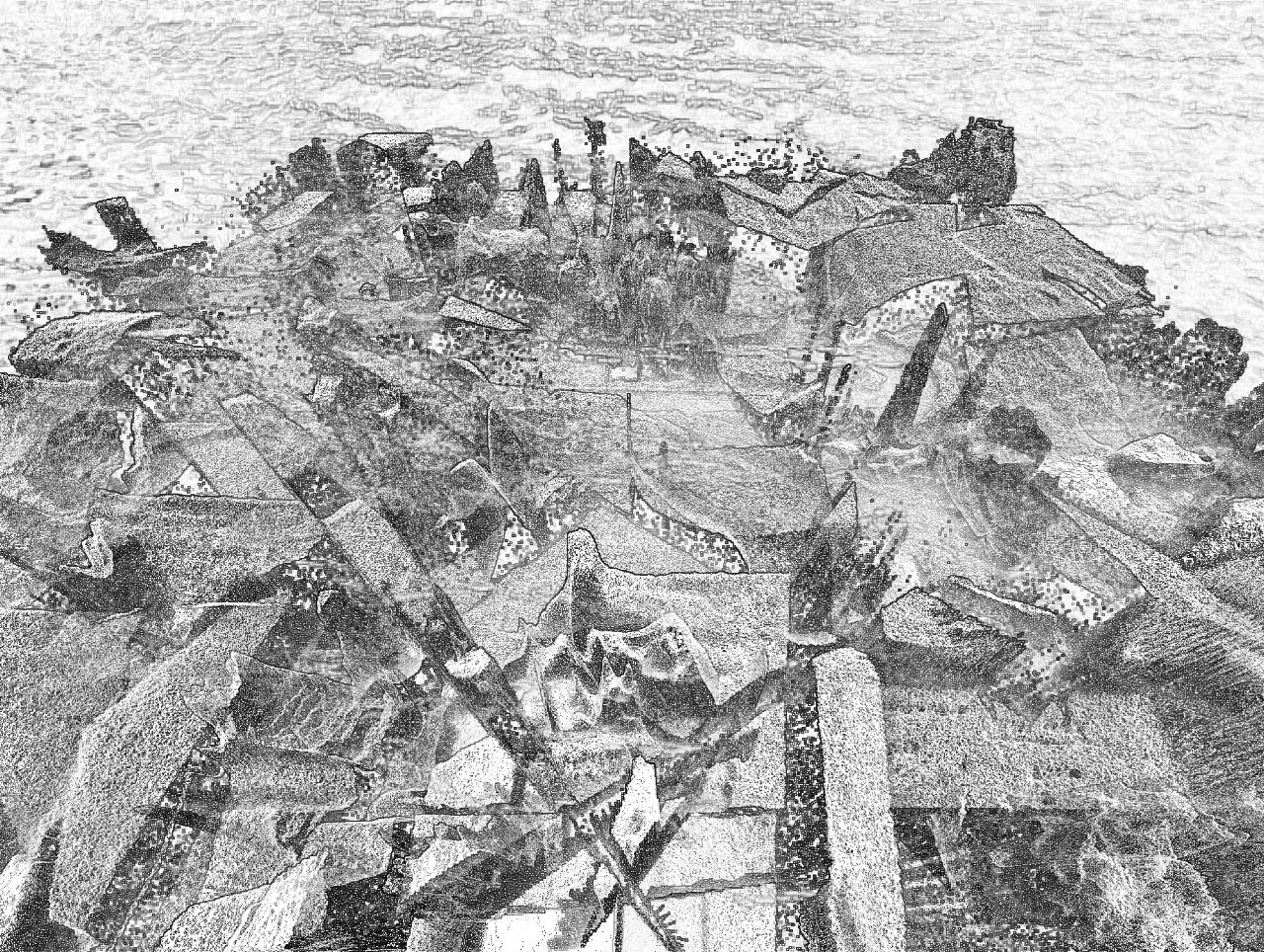
Improvised A/V Performance · RAFLOST Festival
M.A.P. — a shared platform fusing tactile material and electronic art. Challenging our idea of space and reality to reveal a world beyond our sensory limitations. Gallery Mengi, Reykjavík.
+ Details
Projected onto the iconic façade of Hallgrímskirkja for Vetrarhátíð (Reykjavík Winter Lights Festival).
The installation uses sensors to detect movement from the audience and the surrounding environment, animating the church's basalt-column-inspired architecture in real time. Hidden patterns emerge and dissolve — playing with permanence and transience, reality and perception.
A M.A.P. collaboration with Litten Nystrøm.
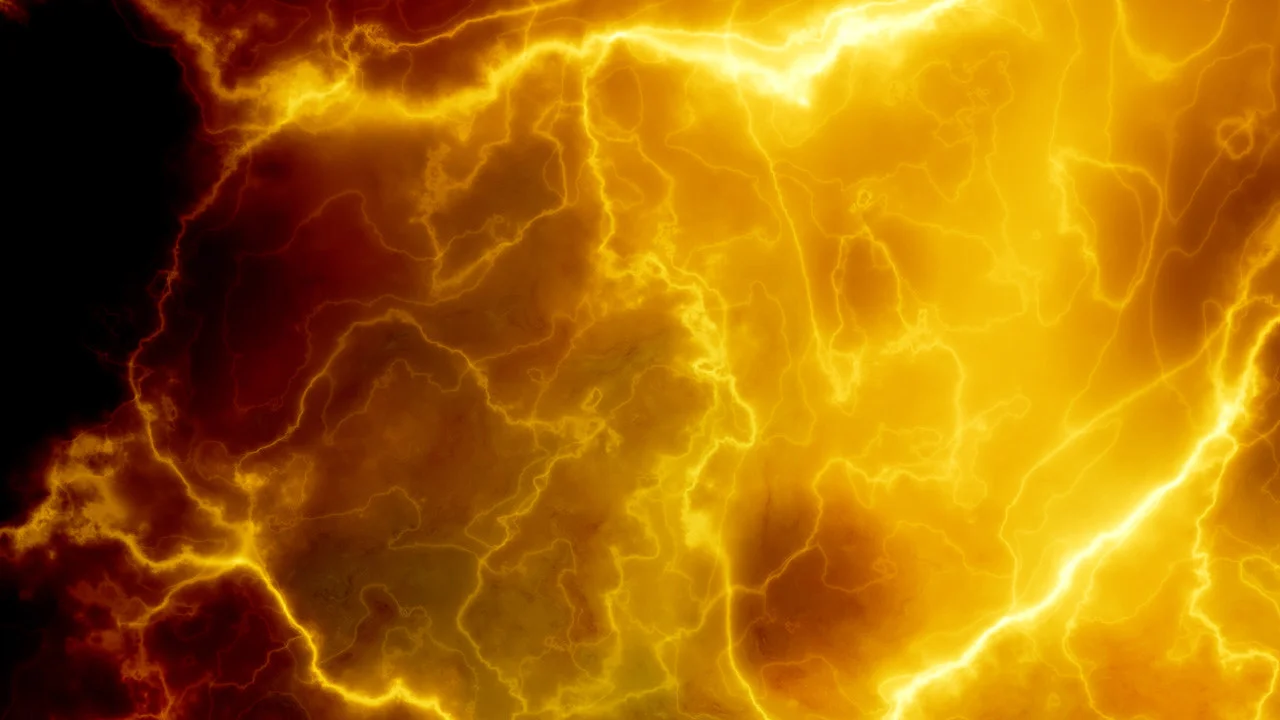
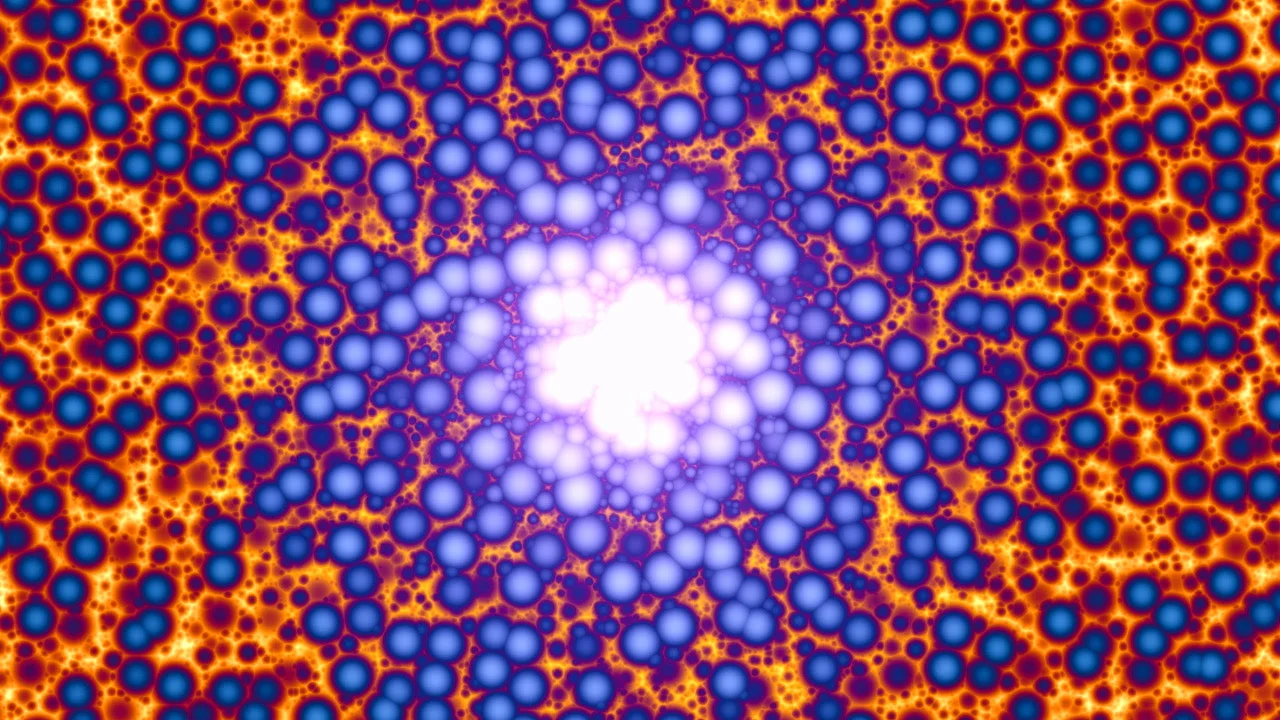
Improvised audiovisual performance at Gallery Mengi, Reykjavík, as part of the RAFLOST Festival for electronic music and visual arts.
M.A.P. — a shared platform fusing tactile material and electronic art. Real-time generative visuals synchronized with live sound performance, challenging our idea of space and reality to reveal a world beyond our sensory limitations.
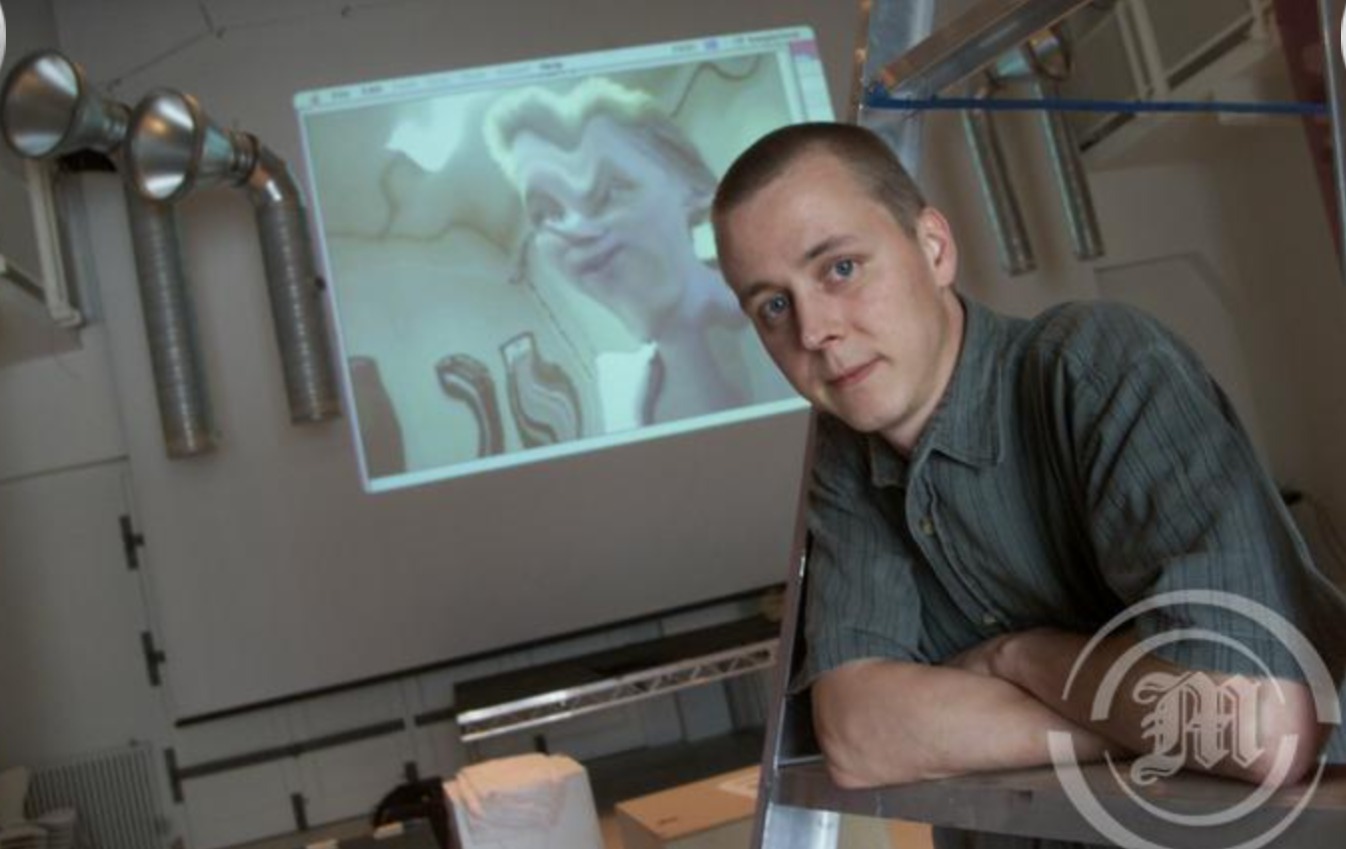
Interactive Net-Art · Hafnarhús
Pioneering cross-border interactive audiovisual concerts connecting 9 European cities using Triple ISDN, homemade sensors, and real-time network data.
+ Details
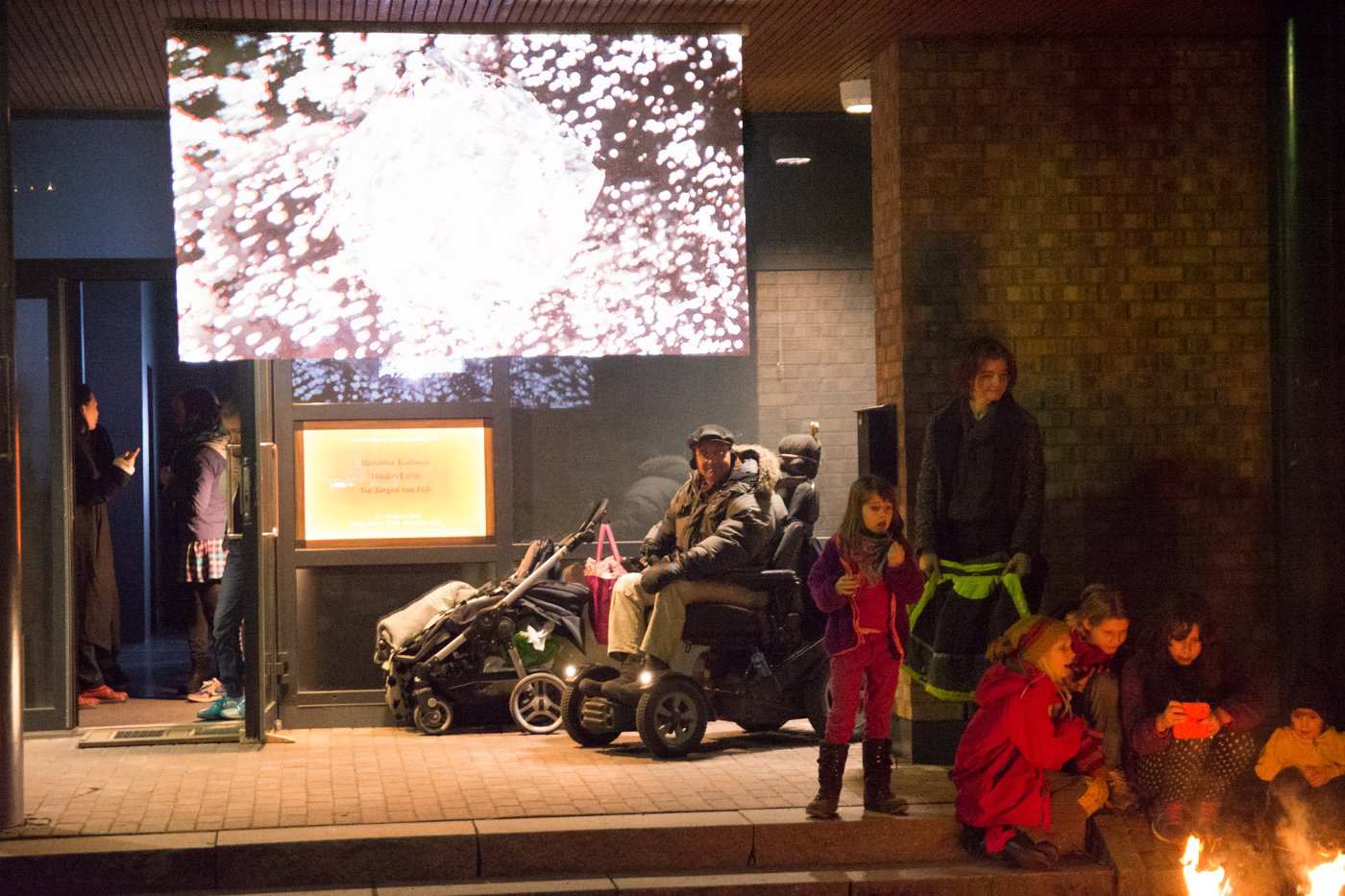
Video Installation · Gallery Atopia, Oslo
The major public debut of the ongoing Brain Project. A poetic, choreographic voyage through the physical architecture of the human brain using clinical MRI data.
+ Details
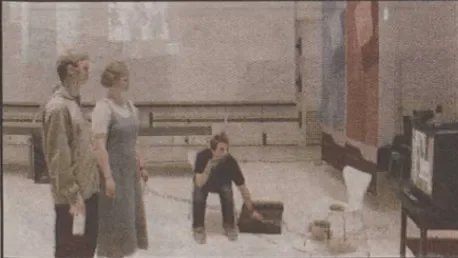
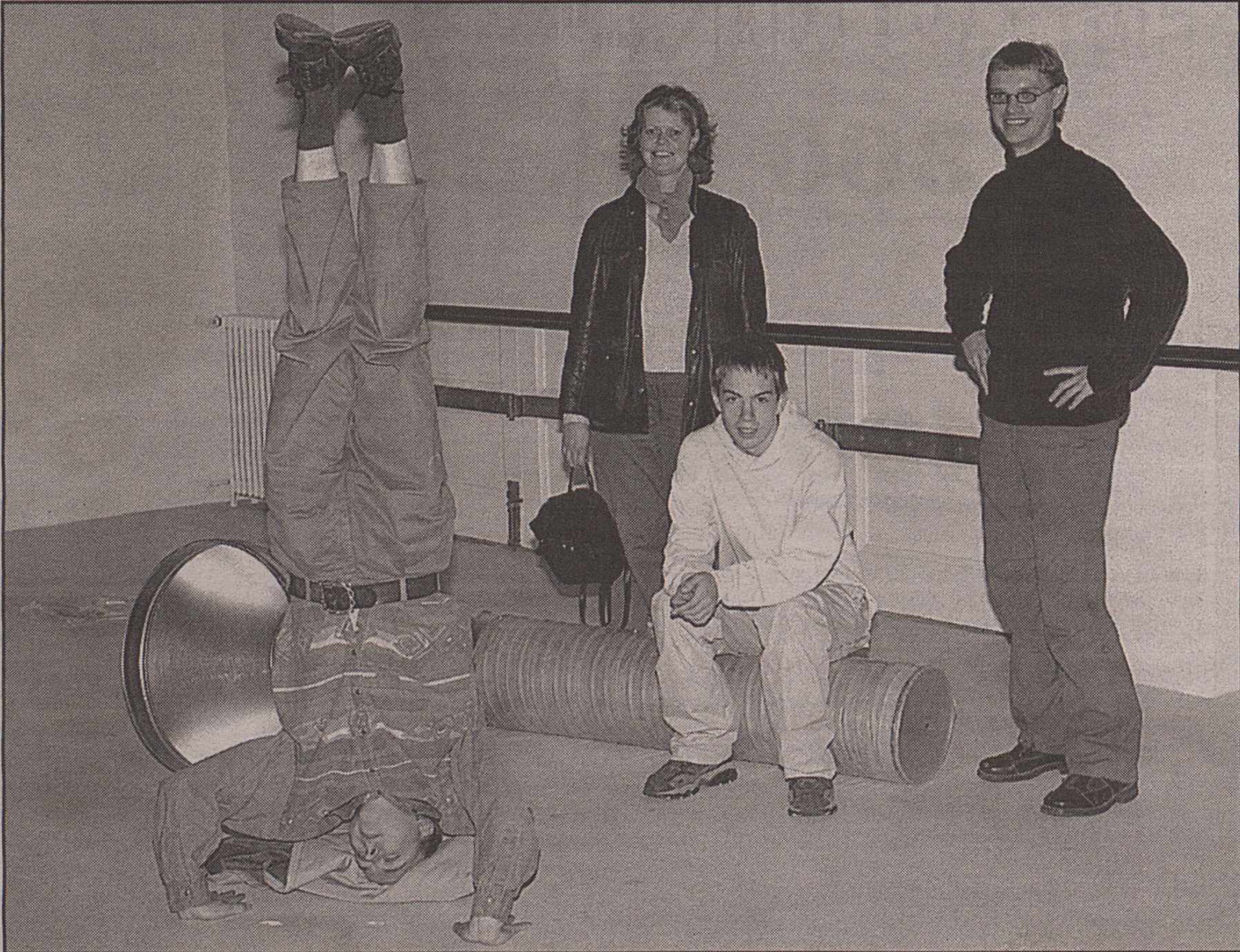
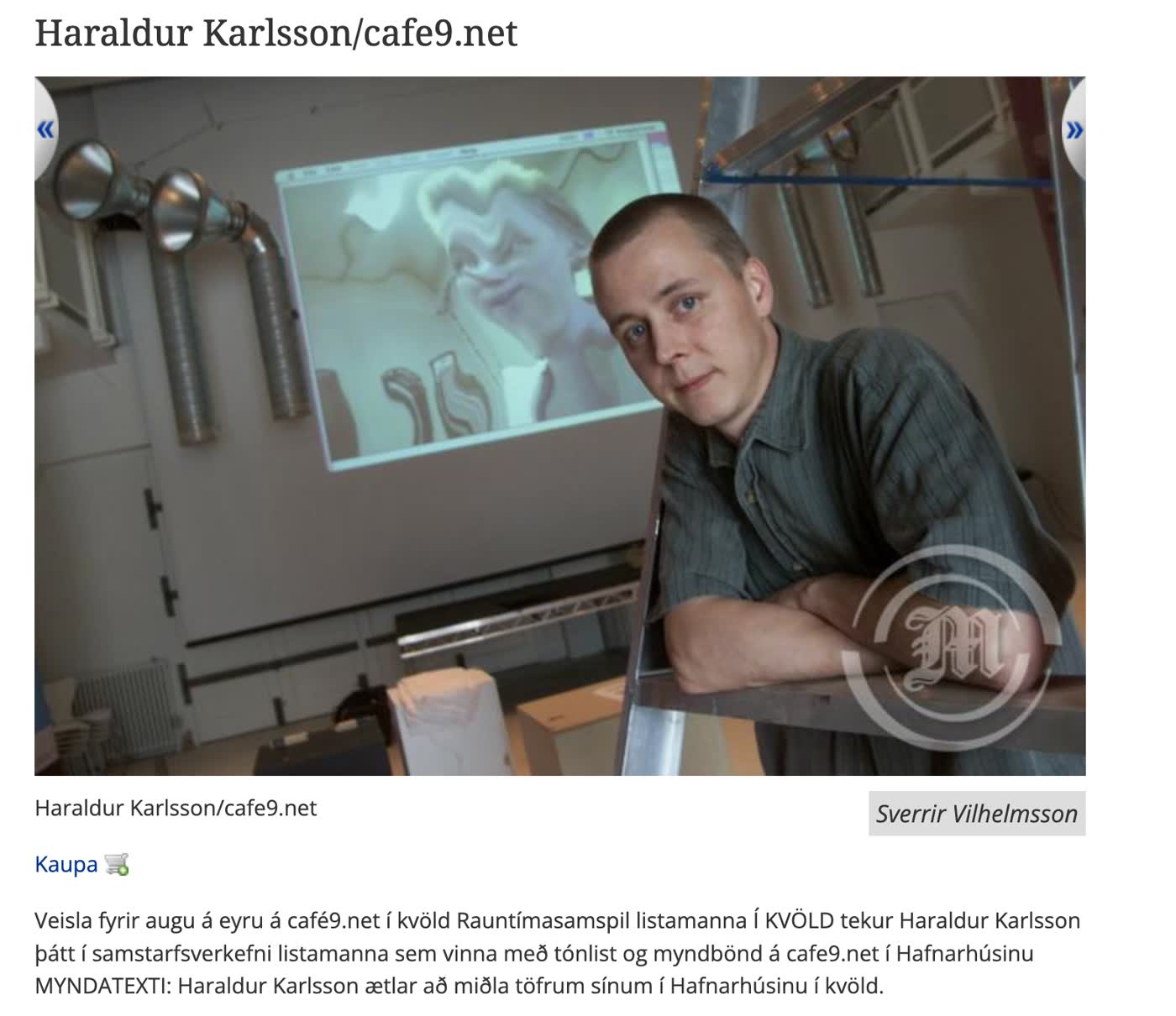
The IVCP (Interactive Video Communication Project) was a monumental cross-border initiative connecting 9 European Cities of Culture in the year 2000. Operating out of the Hafnarhús in Reykjavík, the project utilized early ISDN technology and custom-built digitizers.
It wasn't just a broadcast; it was a live, interactive communication space where digital environments were shared and manipulated in real-time across the continent, long before modern broadband video conferencing existed.
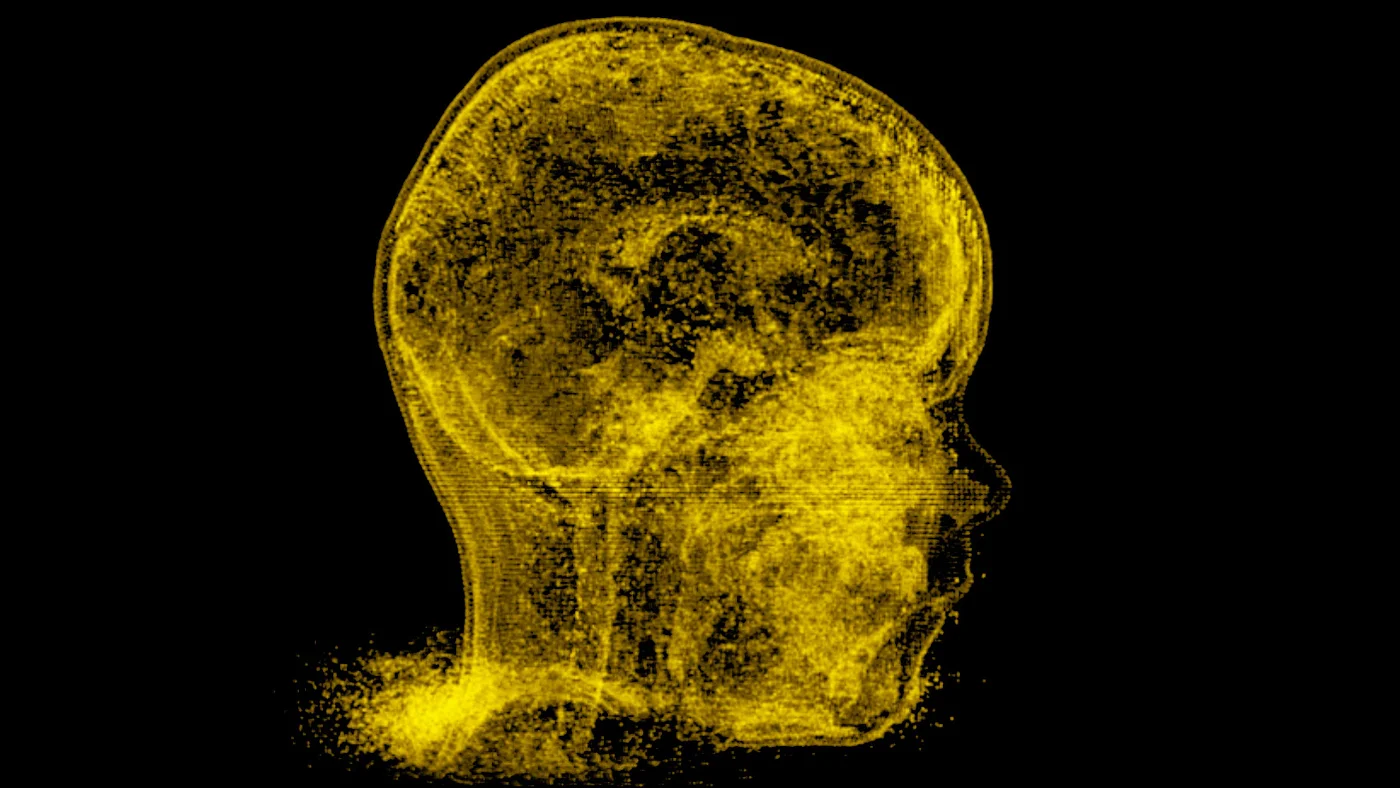
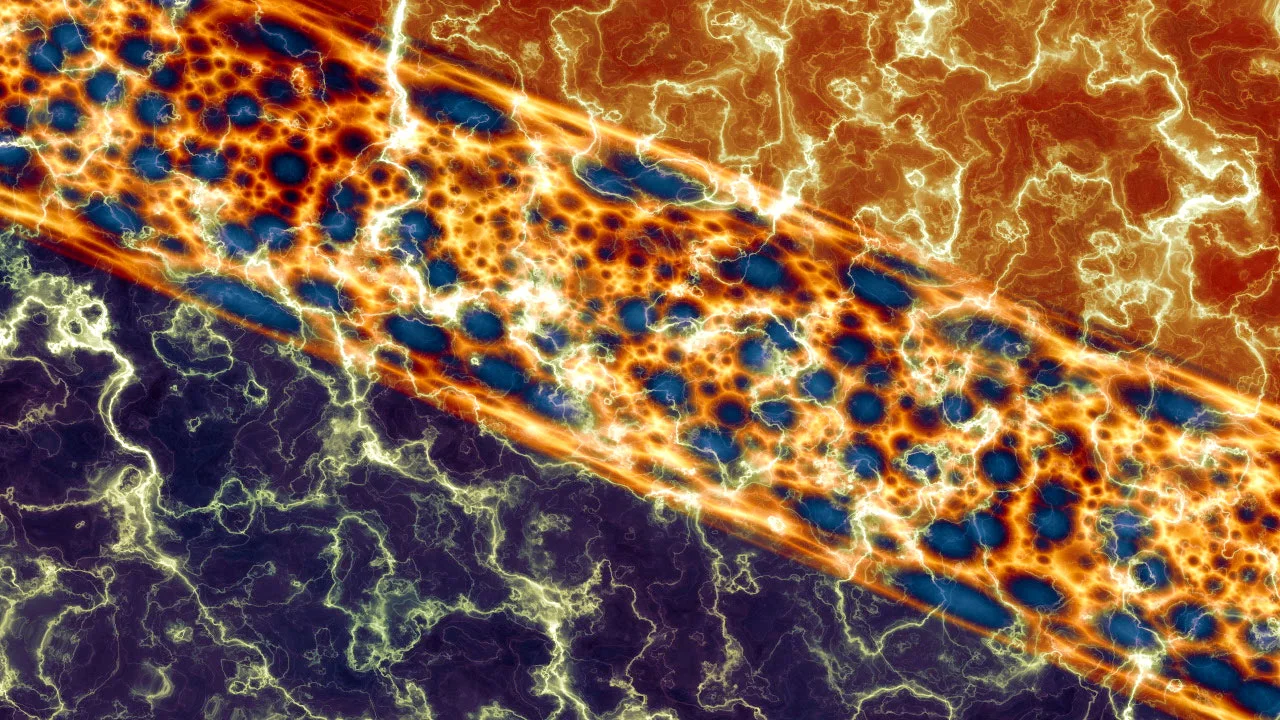
Originating from clinical MRI scans of his son's brain, Haraldur utilized scientific software to isolate the thickness of the brain's pulp. By manipulating this exact scientific data with digital technologies, the concrete medical imagery was transformed into an abstract, living structure of the microcosm.
This exhibition laid the groundwork for a decade of international exhibitions investigating the inner spheres where external stimuli are processed into knowledge and awareness.
View project →
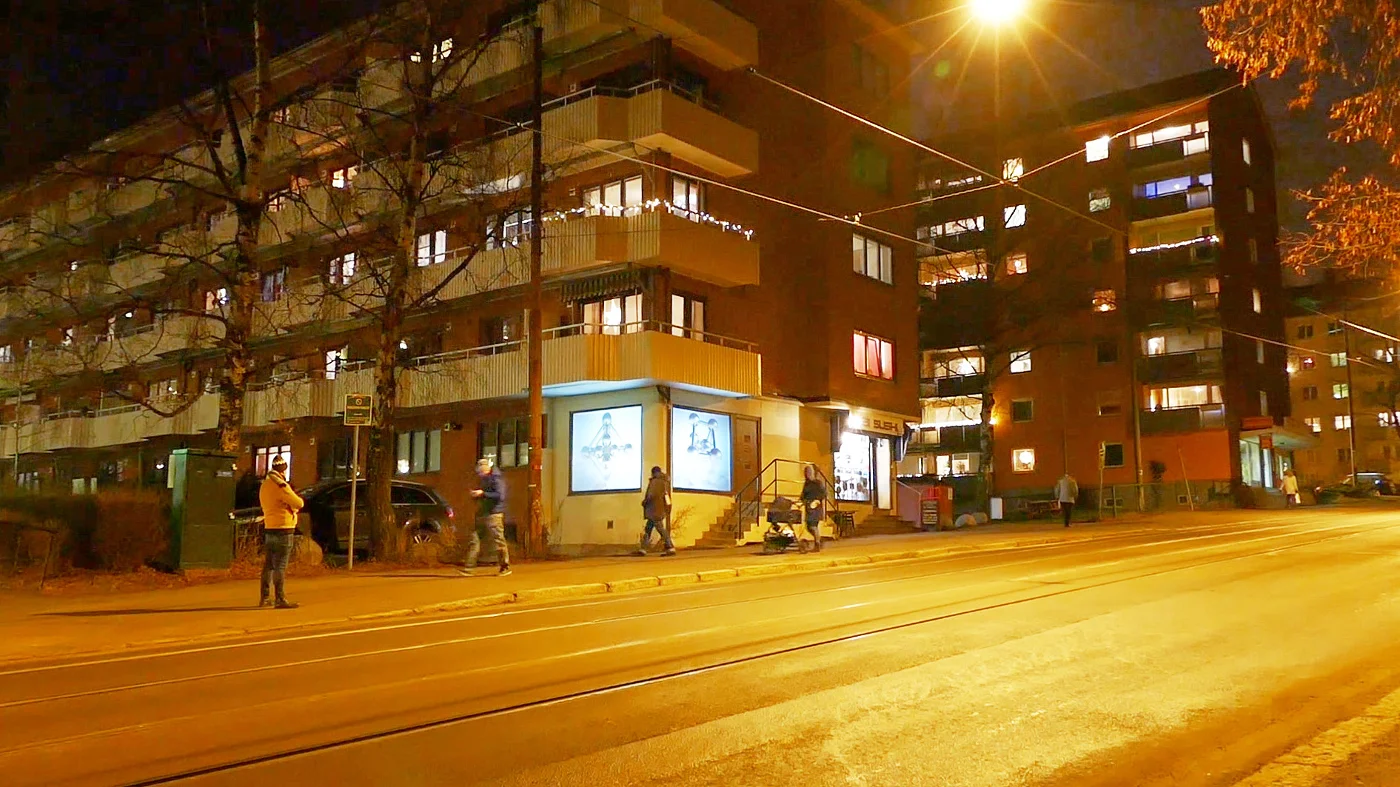
Double-Screen Installation · Oslo
A synchronized double-screen installation applying the mathematical notion of a Hypercube into a basic geometrical shape — creating a dynamic flow of light and texture in constant motion.
+ Details
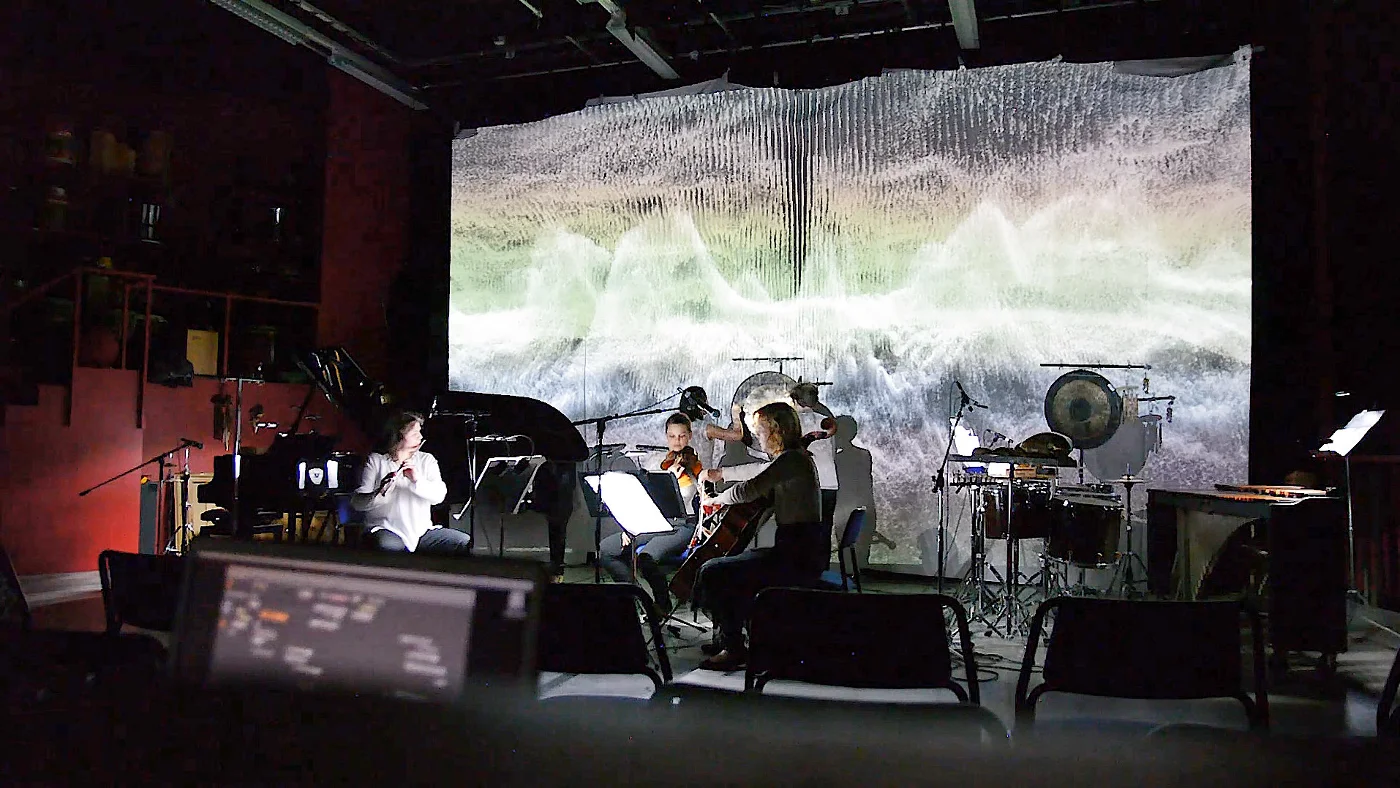
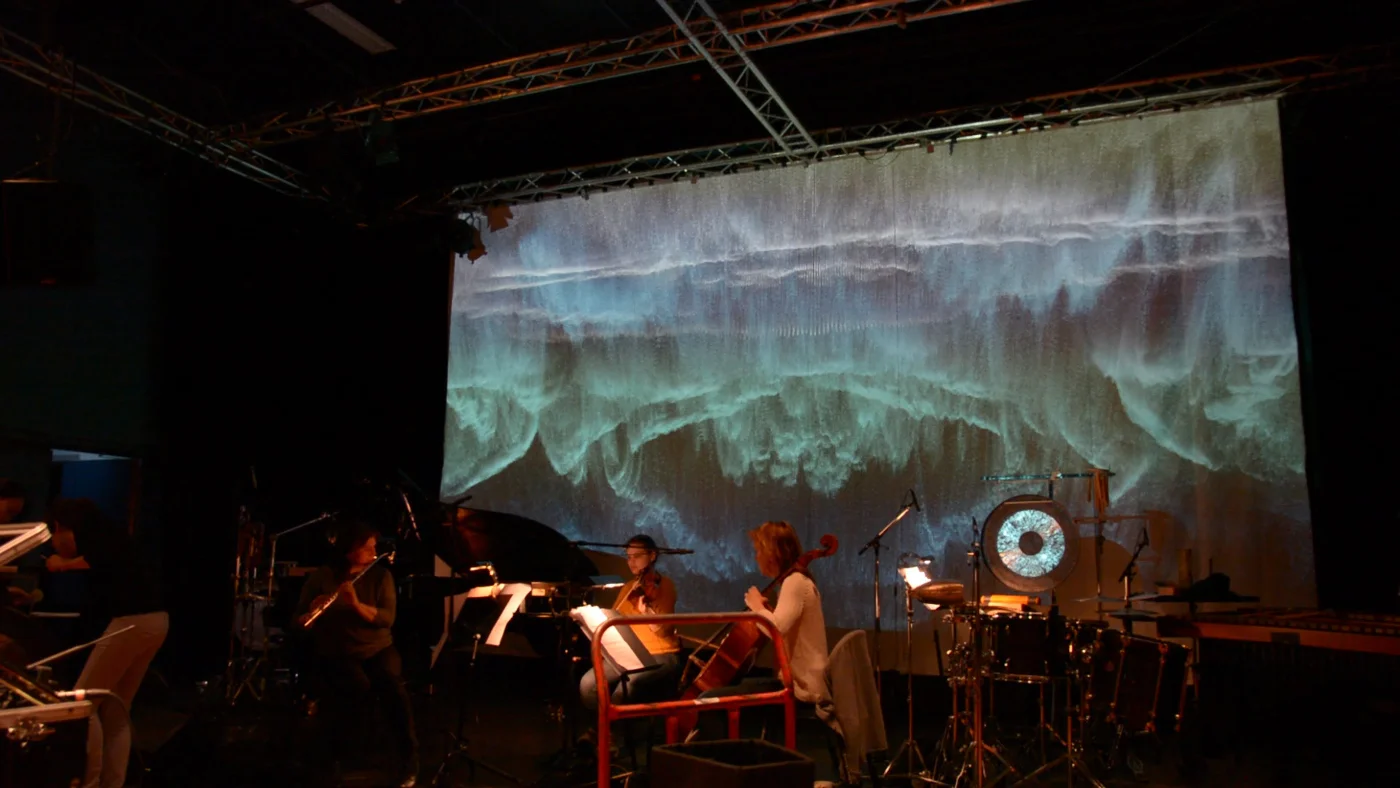
Live Visual Instrument · AJO Ensemble, Counterpoint Project
Custom Max/MSP software and live video for the AJO Ensemble's Counterpoint Project tour — a reactive visual instrument visualizing the time and space of the Norse poem Völuspá, tuned to the live musicians.
+ Details
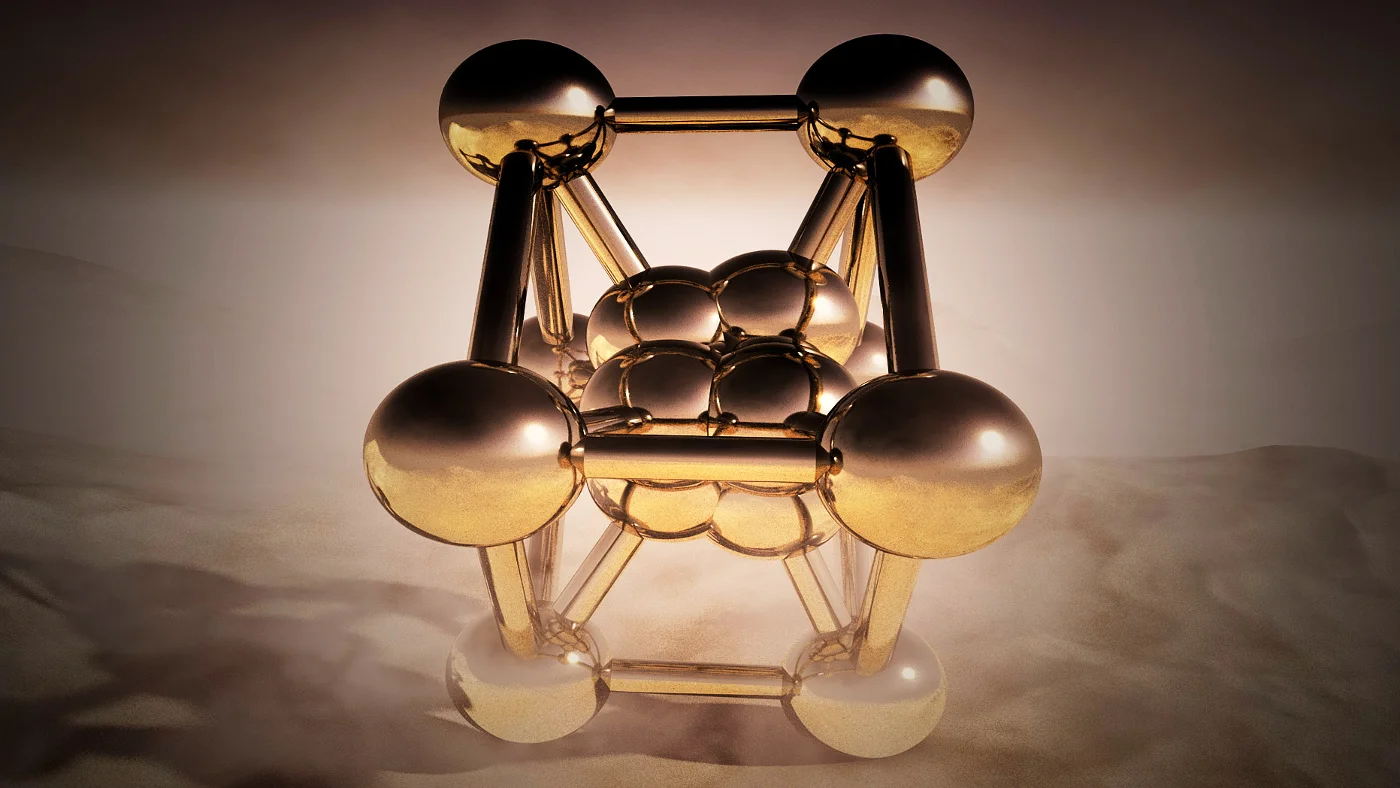
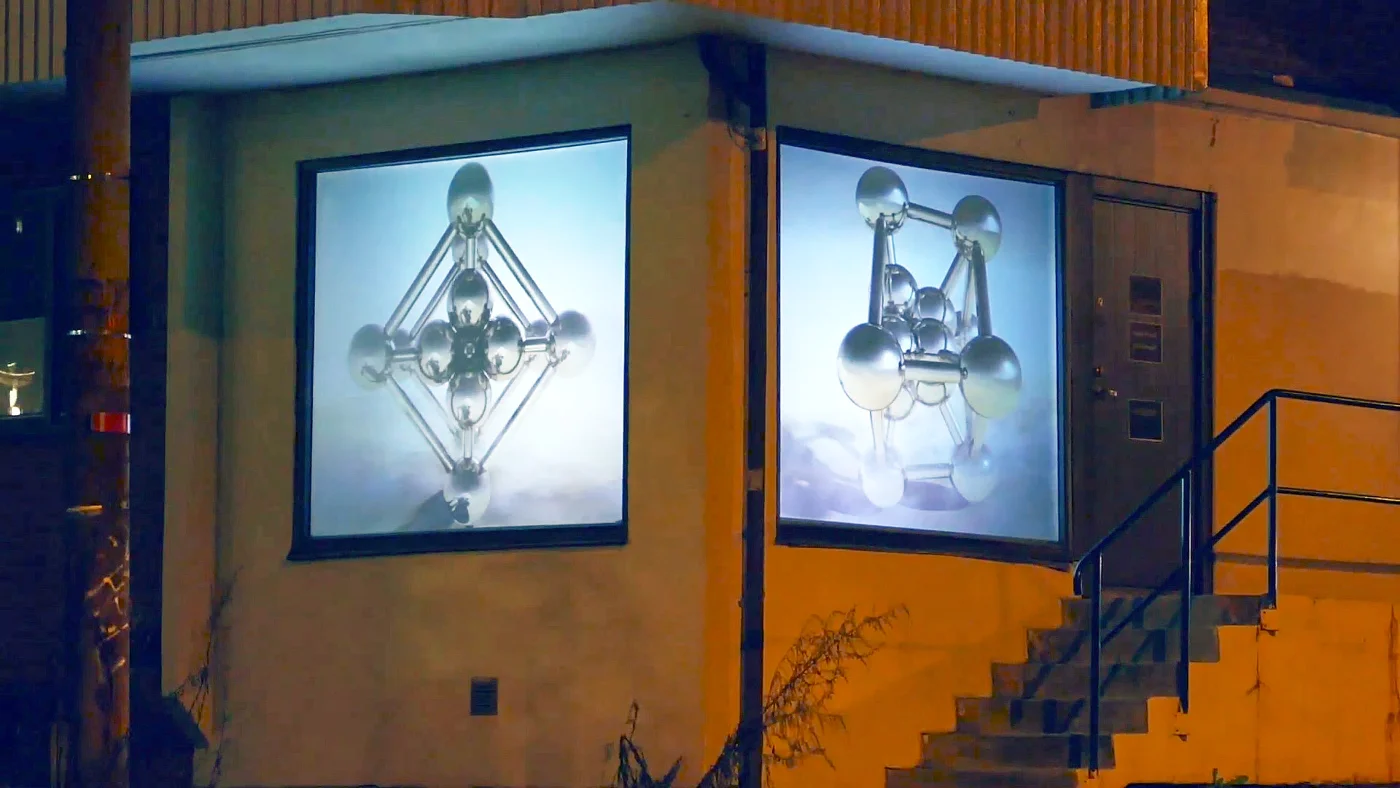
A site-specific synchronized double-screen video installation exhibited in a storefront window at Grefsenveien 30 in Oslo, curated by Atopia. Haraldur applied the mathematical and spatial notion of a Hypercube (a tesseract) into a basic geometrical shape.
Through intense custom image processing, the installation generated a dynamic, continuous flow of light and texture in constant motion. The double-screen video depicted two sides of the object's movement simultaneously, giving the flat digital screens a distinct three-dimensional quality that interacted directly with the passing public.
Curated by Atopia. Grefsenveien 30, Oslo, 2015.
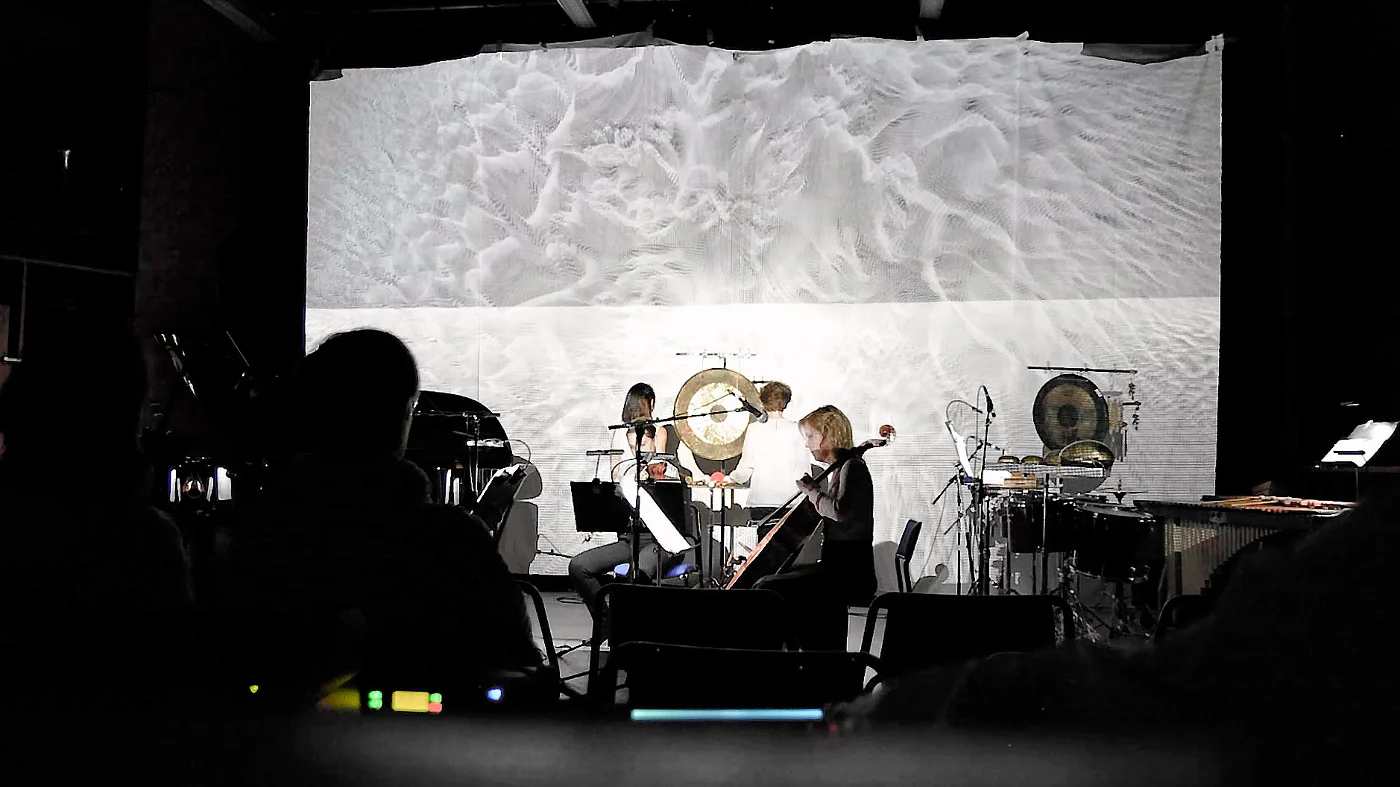
A major commissioned work for the AJO Ensemble's Counterpoint Project, Iceland tour across Norway, Sweden, and Iceland. Rather than playing pre-rendered video, Haraldur engineered custom software using Max/MSP that reacted to selected musical aspects of the live performance — allowing the visuals to be played like an instrument alongside the musicians.
The visual goal was to capture and project both the time and space reflected in the ancient Norse poem Völuspá (Prophecy of the Seeress), featuring both a manual live-mixing mode and a fully autonomous reactive mode.
Hljóðs bið ek — Hearing I Ask. AJO Ensemble / Counterpoint Project, 2014.
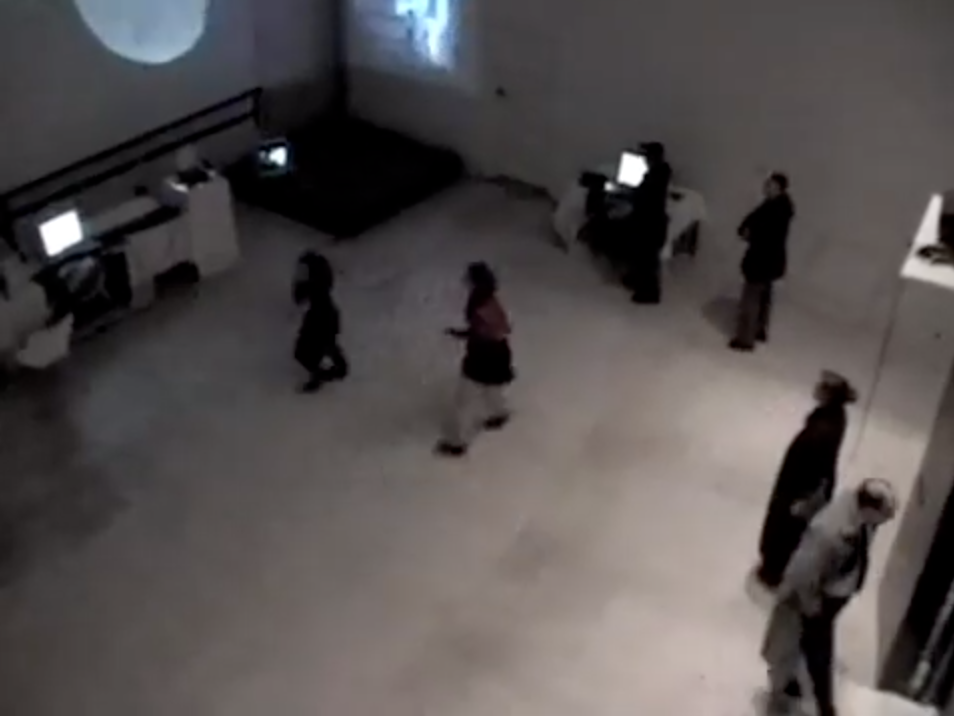
Interactive Installation · Reykjavík Art Museum
A room-scale interactive installation at the Reykjavík Art Museum — visitors' movements tracked and translated in real time into a living visual environment investigating time, space, and perceptual presence.
+ Details
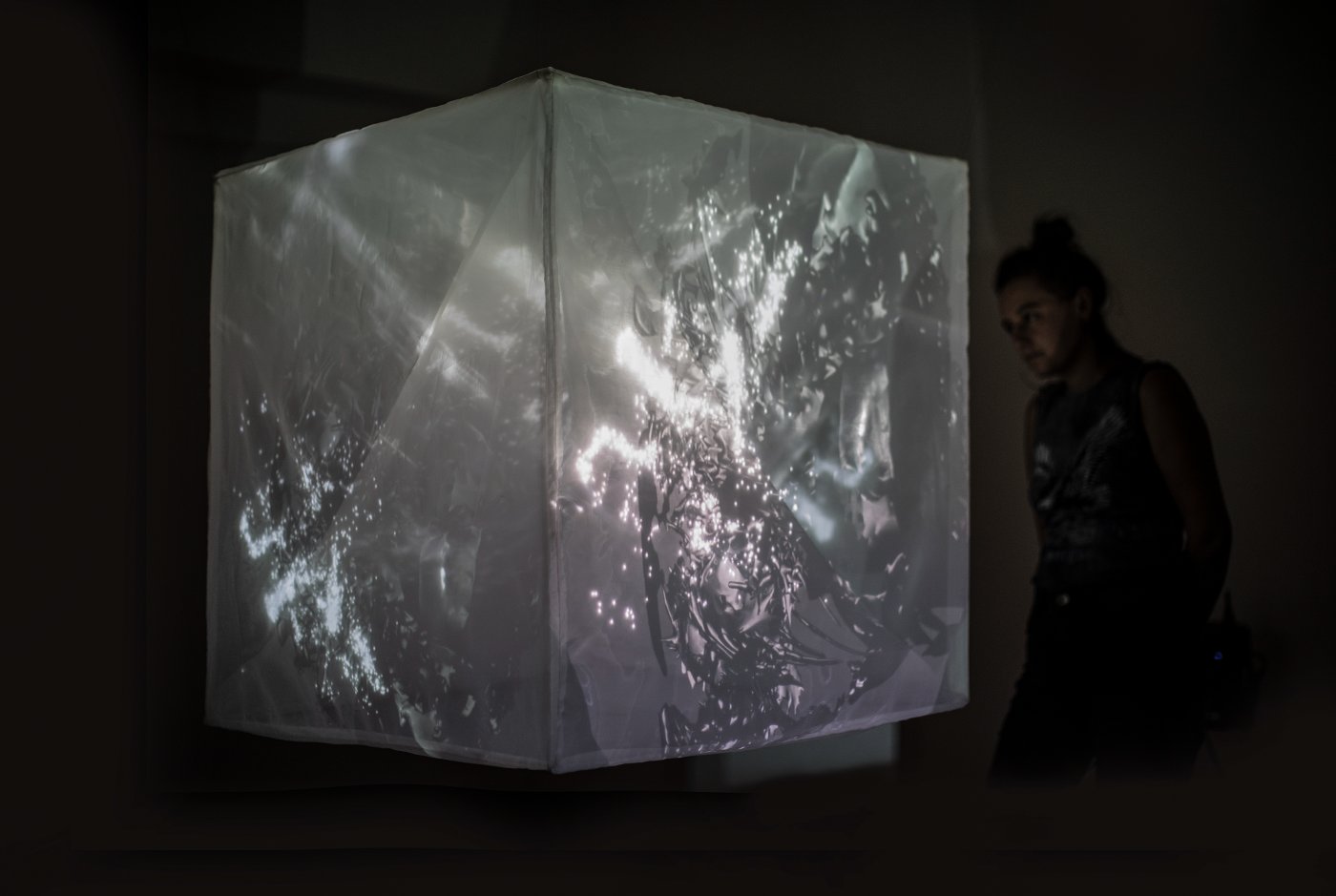
Video Sculpture · Vasulka Kitchen, Brno
Triple projection on sculptural surfaces — MRI data transformed into a choreography of light revealing the world beneath human skin.
+ Details
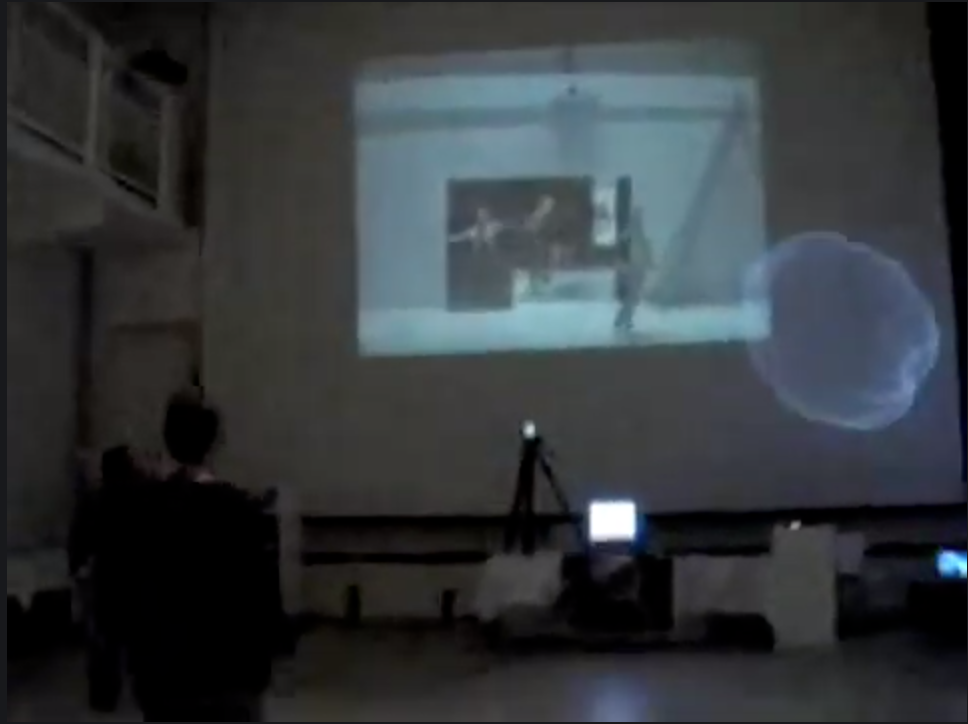
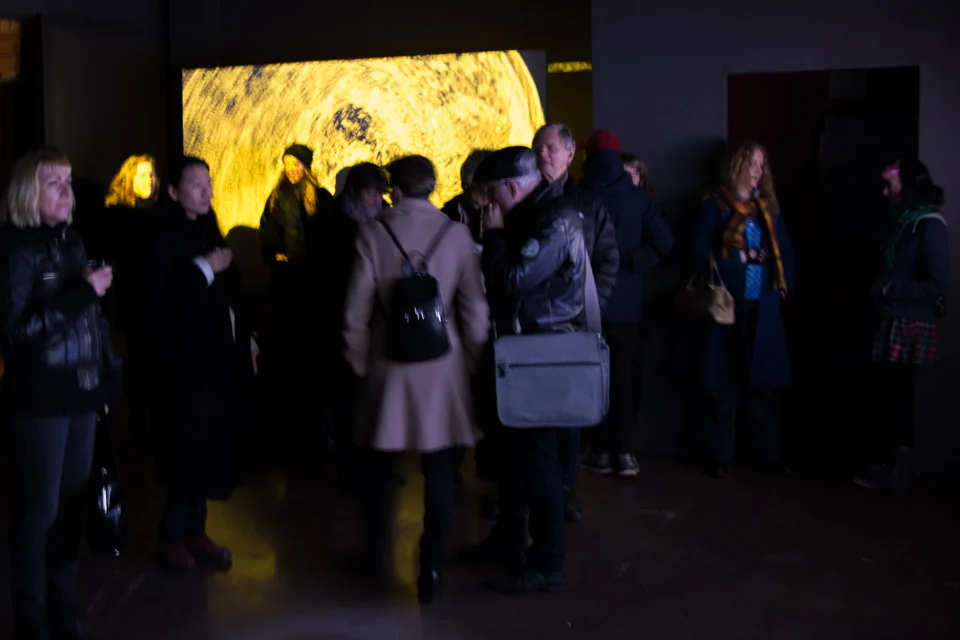
Tímarúm (Time-Space) is a pioneering interactive installation exhibited at the Reykjavík Art Museum, functioning as a real-time audiovisual time machine. Using front and side cameras to track the X and Y spatial movements of the audience, the physical room became a live controller.
The visual environment was driven by two projections: one mapped the audience's movement as a live bump-map onto a 3D sphere, while the other utilized the Image/ine software to constantly record and mix live footage into a continuous 30-minute buffer. Through slow luma-fading and video feedback loops, present spectators would watch themselves merge on the large screen with the 'ghosts' of people who had occupied the space minutes or hours before.
The audio environment, composed by Hilmar and Rikki, directly reacted to the spectators' spatial positions, triggering a custom sampler that layered slow, resonant tones with rapid, localized sonic reactions.
A video sculpture installation rooted in the Brain Project research, embedded with the essence of MRI scans of the human body. The work investigates spaces and non-spaces governed by the choice of thickness visibility from the MRI data.
By adjusting which layers of the scan are made visible, entirely different interior landscapes emerge — cavities, densities, and passages that have no names because no eye was ever meant to see them. A three-dimensional world converted to two dimensions and back again into a constructed dimension.
Utilizing a triple projection on sculptural surfaces, choreographed movements of light and reflections connect to an existing awareness of innards dimensions.
View project →
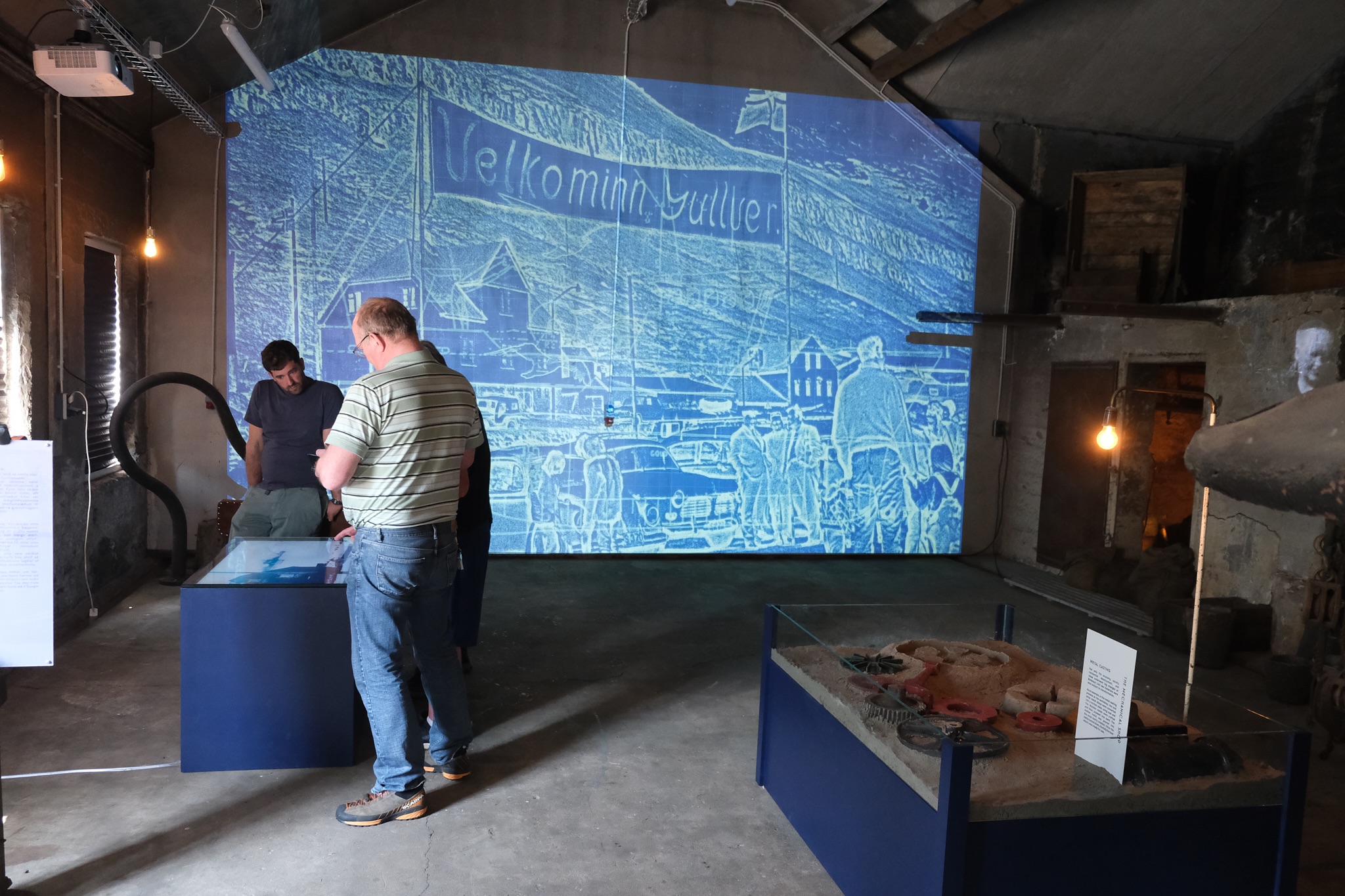
Exhibition Design · Technical Museum of East Iceland
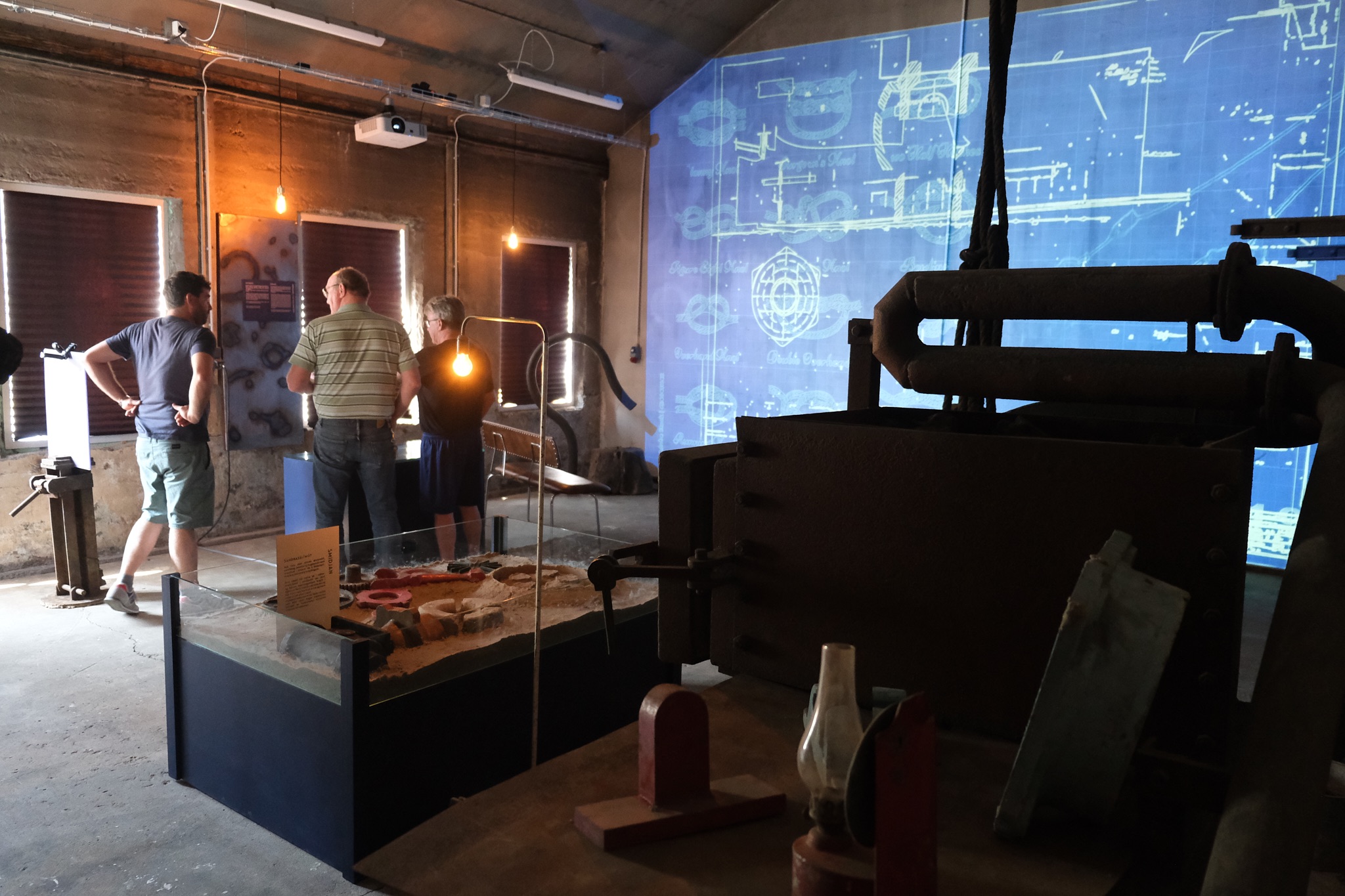
Multimedia-driven narrative in a high-hazard zone. Exploring human transformation through video mapping and sensor technology.
+ Details
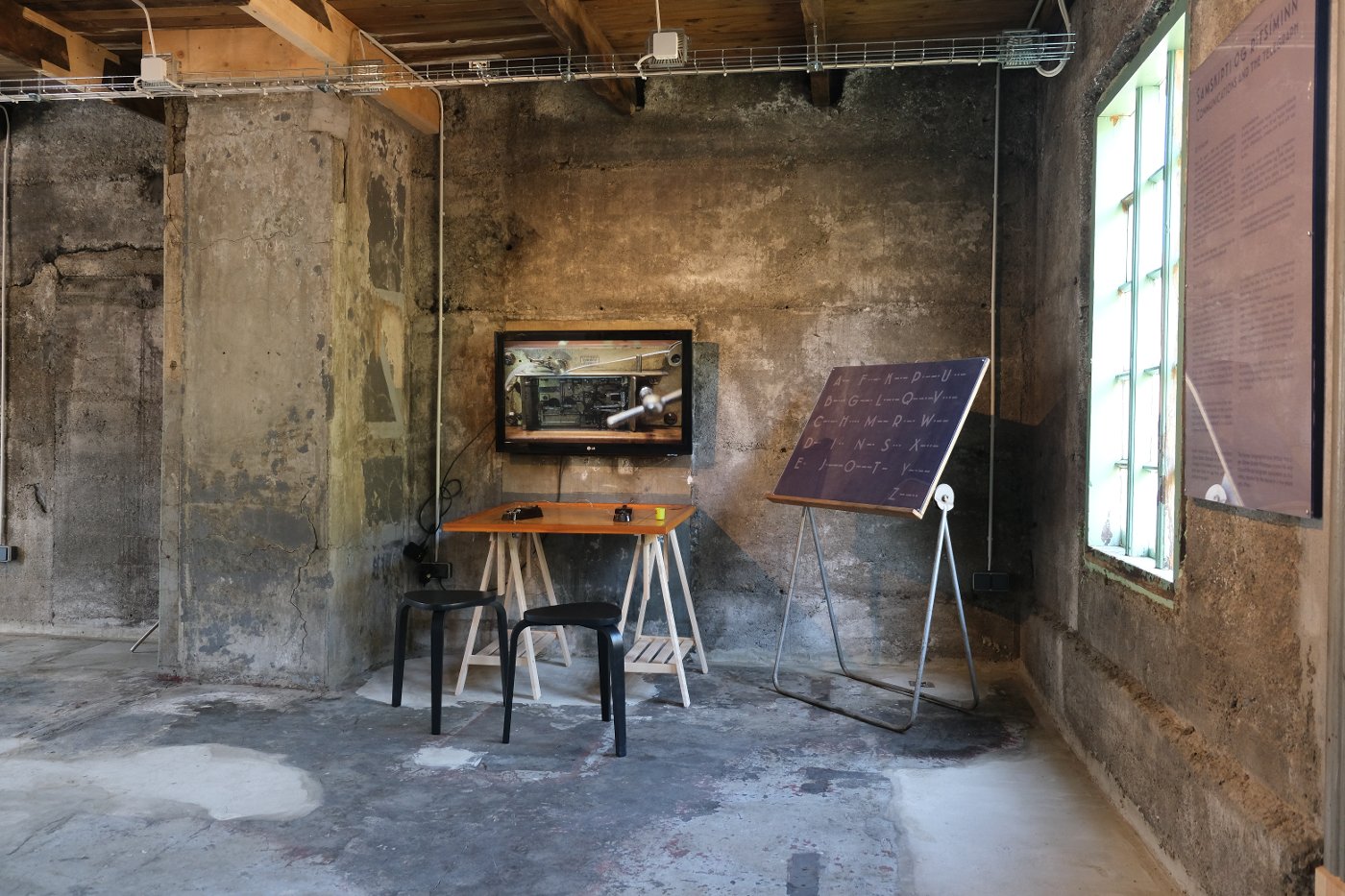
Commissioned by the Technical Museum of East Iceland in Seyðisfjörður. The exhibition space sits in a declared hazard zone (ofanflóðahætta) following the devastating December 2020 landslide that destroyed homes in the town.
No original artifacts could be displayed on-site, requiring a fully multimedia-driven approach: video installations, projection mapping, and sensor technology extending onto the floors and wall remains of destroyed houses.
Synchronized multi-video settings with robust environmental protection for all equipment.
A parallel knowledge search alongside science — transforming exact data into sensory experience, moving beyond representation toward embodied resonance. Whether the source is an MRI scan, a geological sensor, a flame, or a light frequency, the question remains: what is hidden in the data that only art can reveal?
Ongoing since 2014. MRI scan data transformed into poetic choreography, video sculptures, and performances — revealing the hidden aesthetic qualities of our internal biological landscapes. Began with MRI images of his son's brain; emerged from Little Solar System, which transformed the rhythmic signals of the solar system into sound and image — hard facts mixed with fantasy.
Exhibited: Oslo, Reykjavík, Brno, Legnica, Xi'an, Montreal
Supported by: Visual Artists' Remuneration Fund, Gallery of Iceland, Atopia
Mount Esja 16 Days — translating 24 hours to 24 minutes, days arranged side-by-side revealing how no moment is ever the same regarding light, colour, and movement. An observation and meditation challenging human perception of a static landscape.
Immaterial — processing footage until objects become so abstracted their forms are unrecognizable; what remains is a record of pure kinetic energy. Research into non-human modes of seeing — distilling the city into pure motion.
Vasulka Kitchen, Brno · Corsicana, Texas
The Fire Instrument — flames as sensors detecting air movements, translating atmospheric disturbances into control signals for 3D video and multichannel sound. Developed at STEIM Amsterdam & Atelier Nord Oslo. Selected for NIME.
Snæfellsnes Broadcast Station — landscape-as-data: real-time A/V synthesis portraying an environment consumed by digital and surveillance culture.
Image/ine — software archaeology: updating Steina Vasulka and Tom Demeyer's legacy tool (STEIM) for contemporary operating systems. Preserving the playfulness principles of early video synthesis.
Vasulka Kitchen, Brno, STEIM , Atelier Nord , Atopia
Consulting as a parallel track to art — applying three decades of expertise in sonology and video synthesis to institutional challenges. Whether architecting university media labs, designing hazard-safe museum exhibitions, or engineering complex interactive systems for peers, providing the technical and pedagogical infrastructure necessary for electronic art to thrive.
Core Expertise
Max/MSP Jitter & custom software
Multi-channel sound & spatialized audio
Synchronized multi-video & projection mapping
Sensor technology & interactive sculpture
Facility design & equipment specification
Media archaeology & legacy preservation
Formal Roles
Multimedia Consultant, Atelier Nord (2009–2015)
Head of Digital Media Lab, LHÍ (1999–2008)
Artists' Salary Fund Committee, appointed by Minister of Education and Culture (2022)
SÍM nominator
Chair, RAFLOST Festival
High-level problem solving for complex interactive systems — bridging artistic vision and engineering reality. Treats moving image the way a musician treats sound: as raw signal to be processed, layered, and spatialized in real time. A direct result of Sonology training.
Planning and building interactive sculptures for artists and institutions, ensuring delicate digital ideas survive in physical public spaces.
Software: Workshops in Max/MSP Jitter (Atelier Nord, 2011). Taught Max/MSP/Jitter and Isadora at LHÍ. Applied: 3D Neuron particles (Brain project — interactive generative shapes), motion distillation (Immaterial, Corsicana), custom frame-by-frame editing software (Dans 1-2-3 — five synchronized cameras).
Multi-channel sound: 8-channel sound + 3D video with wireless sensors (Little Solar System). Quadraphonic audio + 3D interactive video (7-of-12 Dialectologies, EIG with Daniel Schorno). Immersive sound environments (The Fire Instrument).
Synchronized video: 16-screen simultaneous display (Mount Esja 16 Days). Atelier Nord Vitrine — managed technical platform for four-screen synchronized public works. Videovinda (Warp) — 2 screens, 2 cameras, 2 computers in real-time (Vasulka Chamber commission).
Not merely teaching but architecting educational environments — building media labs from the ground up. Designing facility layouts, specifying hardware/software ecosystems, and writing interdisciplinary curricula.
Head of the Digital Media Lab at the Iceland University of the Arts: designed the studio and implemented the curriculum that introduced digital media to the Icelandic fine arts scene.
Curriculum: video, sound art, Max/MSP/Jitter, Isadora, interactive design, sensor technology. Arranged guest specialists across departments.
International advisory: consultation on media lab operations and pedagogy to the University of Applied Arts Vienna and the Academy of Fine Arts Prague via Erasmus+ mobility exchanges.
Multimedia Consultant and project space manager at Atelier Nord (2009–2015). Formal consultant register: multimedia, sound/video editing, programming, interactive sculpture/installation, sensor technology, interactive video, multikanallyd-systemer (multi-channel sound systems).
Managed technical aspects of the Vitrine project — a dedicated platform for multi-screen video works (often four synchronized screens) in public space.
Team member at Atopia — Center for Video Art and Experimental Film (2015–2017).
Designing immersive multimedia narratives for spaces where physical artifacts cannot be displayed due to safety or preservation concerns. The machine shop at Búðareyri sits in a declared landslide hazard zone (ofanflóðahætta) — original artifacts could not be housed there.
With Litten Nystrøm: designed a multimedia-led exhibition to carry the narrative without placing the collection at risk. Synchronized multi-video settings, projection mapping, and sensor technology extending onto floors and wall remains of houses destroyed by the December 2020 landslide.
Seyðisfjörður, 2023.
Updating legacy software to function on modern operating systems — preserving the history of video art for future users. Image/ine: Steina Vasulka and Tom Demeyer's tool (STEIM), maintaining the playfulness principles of early video synthesis for contemporary practice.
Vasulka Kitchen, Brno (2021).
Expert evaluation of artistic merit, festival organization, and grant committee service — shaping the ecosystem for electronic art in the Nordic region.
Policy: Appointed by the Minister of Education and Culture (2022) to the Icelandic Artists' Salary Fund committee. SÍM nominator.
Organizational: Founding member and Chair of the RAFLOST Festival for electronic music and visual arts. Key advisor for Atopia and LORNA (Icelandic Society for Electronic Arts).
Guest specialist workshop series in video mapping, VR, interactivity, Max/MSP Jitter, and creative use of medical imagery for artists and institutions.
I have also conducted creative technology workshops internationally, including a masterclass on Human-Machine Interaction at Rådstua in Tromsø, held in connection with the Insomnia Festival.
LHÍ (2023) · Vasulka Kitchen, Brno (2020, online) · Atelier Nord, Oslo (2009–2015, including "Workshop and introduction to Max/MSP Jitter", 2011) · Insomnia Festival / Rådstua, Tromsø (Human–Machine Interaction & Sensor Technology)
Haraldur Karlsson is a multimedia artist, sonologist, and technical consultant based in Reykjavík, Iceland. His practice spans interactive installations, video art, sonification, and sensor-based performance, exploring the artistic use of technology to its limits — from MRI brain scans and geological data to real-time generative systems.
Educated at MHÍ Reykjavík (1989–93), media art at AKI Enschede (1993–95) under René Coelho — founder of MonteVideo/Time Based Arts and professor of media art — and Sonology at the Royal Conservatory in The Hague under Clarence Barlow (1995–98). During residencies at STEIM in Amsterdam he developed instruments and interfaces that would later evolve into the Fire Instrument.
In 1999 he founded the New Media Lab at the Iceland University of the Arts (LHÍ), designing the facility, planning courses and equipment, and arranging guest specialists across multiple departments until 2008. He is a founding member of the RAFLOST Festival for electronic music and visual arts and remains its registered chair.
From 2009 to 2019 he was based in Oslo, working as a consultant and project space manager at Atelier Nord (2009–2015), as part of the team at Atopia — Center for Video Art and Experimental Film, and collaborating internationally through the Ljerke project in Friesland and his ongoing partnership with Daniel Schorno in the Eponymous Instrument Group (EIG), whose concert and workshop proposal was accepted at NIME 2011 in Oslo.
Since 2020 he has been working in Iceland, between Reykjavík and Seyðisfjörður. Together with Litten Nystrøm he runs the studio M.A.P. at SÍM studios, Hólmaslóð 4, Grandi, Reykjavík.
Since 2014, a central thread in his work has been the Brain project — an ongoing series transforming MRI scan data into video installations, sculptures, and performances exhibited internationally from Oslo and Reykjavík to Brno, Legnica, Xi'an, and Montreal.
2024 — Re-Enlightment — Elliðarstöð, Reykjavík
2023 — Búðareyri — Technical Museum of East Iceland
2023 — Immaterial — Corsicana Residency, Texas
2022 — Time Aside (Solo) — Vašulka Kitchen, Brno
2021 — Interference — Hallgrímskirkja, Reykjavík
2020 — From Mind and Heart — Reykjanes Art Museum
2018 — Brainstorm — Keflavík International Airport
2014 — Brain — Gallery Atopia, Oslo
2009 — The Fire Instrument (Solo) — Kunstnernes Hus, Oslo
2000 — IVCP / Café9.net — Hafnarhús, Reykjavík
2022 — Reykjavik Winter Festival Award (for Enlighted)
2018 — Creative Take Off / ISAVIA Project Grant
2014+ — Visual Artists' Remuneration Fund (BKV), Norway
2009 — STEIM & Atelier Nord Residency Grants
2000 — Maximum European Cultural Grant (Café9 / EU)
2022 — House of Arts Brno: Artists in Residence (Video Interview)
2021 — Morgunblaðið: Sigurverk í samkeppni um ljósaverk
2020 — Víkurfréttir: Af hug og hjarta opnar í Listasafni
2005 — Morgunblaðið: Skíramyrkur í Hafnarborg
2001 — European Commission: ECOC-2000 Final Evaluation Report
2000 — Morgunblaðið: Lögmálið er eldur / Cafe9.net
2000 — Dagur: Cafe9.net opnað í Hafnarhúsinu
1992 — Dagblaðið Vísir: Gjörningahátíð í MÍR-salnum
Contact
studio@haraldur.net